What’s Mission Valley San Diego Really Like?
Mission Valley is one of San Diego’s most unique communities — known for its central location, major shopping destinations, convenient freeway access, and mix of urban condo living with suburban comforts. Whether you’re thinking about buying a condo here, relocating, or just exploring options, this guide covers everything you need to know.
Overview of Mission Valley
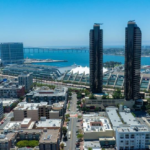
Mission Valley sits right in the heart of San Diego, stretching along the I-8 corridor and divided into Mission Valley East and Mission Valley West. It’s bordered by areas like Hillcrest, Linda Vista, Serra Mesa, and Grantville, with the San Diego River running through the middle. The vibe is highly convenient and amenity-rich, with a mix of professionals, students, young families, and downsizers who want easy access to shopping, dining, and freeways without being in the core of downtown.
Housing & Real Estate Snapshot
Common property types:
- Condos and townhomes dominate Mission Valley, many located within large master-planned communities offering amenities such as pools, gyms, landscaped grounds, and clubhouses.
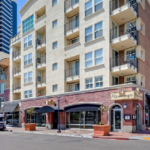
- Newer mixed-use developments with residential units above retail are becoming increasingly common near major commercial centers.
- A limited number of single-family homes exist on the neighborhood edges and in pockets like Mission Valley Heights.
Search All Mission Valley Homes for Sale
Typical prices:
- One-bedroom condos typically start in the mid-to-high $400,000s.
- Two-bedroom condos generally range from the mid-$500,000s to mid-$700,000s depending on age, finishes, amenities, and location.
- Newer or luxury communities with extensive amenities can exceed $800,000, especially for larger layouts or townhome-style units.
- Compared to coastal neighborhoods or downtown high-rises, Mission Valley often provides more space and amenities for the price.
HOA ranges:
- Most condo communities have HOA dues between $350–$650 per month.
- Resort-style or newer developments with extensive amenities commonly range from $700–$900+ per month.
- Older communities with fewer amenities tend to fall on the lower end of that spectrum.
New vs older buildings:
- 1970s–1990s garden-style condo communities make up a significant portion of the housing stock.
- Early-2000s mid-rise and townhome developments are common across both Mission Valley East and West.
- Newer, contemporary buildings cluster near Fashion Valley, Snapdragon Stadium, and the surrounding redevelopment areas.
- Buyers can choose between mature communities with established landscaping or newer complexes with modern finishes and amenities.
Search All Mission Valley Condos for Sale
Walkability, Lifestyle & Daily Living
Mission Valley isn’t uniformly walkable, but it has several very walkable pockets, especially around Fashion Valley, Mission Valley Mall, and the newer mixed-use centers. In these areas, you can walk to big-box retailers, boutiques, gyms, movie theaters, and a wide range of restaurants and cafes. Sidewalks and crosswalks are common near the malls and trolley stations, but some stretches along major roads like Friars Road and Mission Center Road are more car-oriented, so daily life can vary a lot depending on which complex you live in.
From a lifestyle standpoint, Mission Valley is all about convenience. You’re minutes from multiple grocery options (including Vons, Ralphs, Trader Joe’s, and Costco in nearby Morena/Linda Vista), several fitness centers, and national chains alongside local spots. Noise levels can be higher near I-8, SR-163, and Friars Road, as well as near the stadium redevelopment area during events or construction phases, while interior or hillside communities tend to be quieter. Commutes are straightforward: you can typically reach downtown, the beaches, or major employment centers in 10–20 minutes when traffic cooperates. Overall, it’s a practical, central base for people who want easy access to the rest of San Diego.
Restaurants, Cafes & Local Favorites
Mission Valley’s dining scene is anchored by its major shopping centers, which bring in a broad mix of casual and sit-down options. Around Fashion Valley, you’ll find spots like True Food Kitchen, North Italia, and other contemporary American and Italian options, plus several upscale chains and hotel restaurants that cater to shoppers and business travelers. Mission Valley Mall and the surrounding plazas offer a wide range of fast-casual choices, from Chipotle and Shake Shack to local sushi, pho, and taco shops.
There are also several neighborhood favorites tucked into the side streets and strip centers, including sports bars, breakfast spots, and coffee shops that serve nearby residents and office workers. For craft beer or a more local feel, many residents head a few minutes to neighboring areas like Mission Hills, North Park, or Morena, but Mission Valley itself continues to add more modern eateries and cafes as redevelopment progresses.
Parks, Nature & Outdoor Activities
Despite its reputation as a shopping and freeway hub, Mission Valley offers solid access to outdoor spaces. The San Diego River runs through the valley, and there are segments of the San Diego River Trail that provide walking, jogging, and biking opportunities with a bit of nature in the middle of the city. Several complexes have their own internal greenbelts, dog runs, and walking paths, which make it easy to get outside without leaving the community.
Residents are also just a short drive from Mission Bay Park, Presidio Park, and Balboa Park, all of which offer expansive lawns, trails, and recreation facilities. Dog owners often use nearby parks and designated dog areas, and the central location means you can be at the beach, on a hiking trail, or in a canyon park in 15–20 minutes. As the river corridor continues to be improved, Mission Valley is gradually becoming more friendly to walkers, cyclists, and outdoor enthusiasts.
Let’s Get Your Home Search Started Today!
Transportation & Parking
Parking situation: Most Mission Valley condo communities include assigned parking in surface lots, carports, or gated garages, with guest parking that can range from plentiful to very limited depending on the complex. Newer developments tend to have structured parking garages with controlled access, while older communities may have open lots and carports. Street parking is available in some pockets but can be competitive near the malls, offices, and trolley stations, especially on weekends and during events.
Traffic patterns: Mission Valley is one of San Diego’s main transportation corridors, so traffic can be heavy during rush hours and on weekends. I-8, SR-163, and I-805 all intersect here, and bottlenecks are common near the interchanges and along Friars Road. Commute times to downtown, Kearny Mesa, or UTC are reasonable in off-peak hours but can stretch during peak commute times or when there are events at the stadium redevelopment area or major shopping centers.
Transit options: One of Mission Valley’s biggest advantages is access to public transit. Multiple trolley stations (including Fashion Valley, Mission Valley Center, and others along the Green Line) connect residents to downtown, Old Town, SDSU, and beyond. Bus routes run along major streets, and some areas have bike lanes or multi-use paths, though biking can be challenging on high-traffic roads. For many residents, it’s realistic to use the trolley for commuting or nights out while still relying on a car for errands and regional trips.
Schools & Education Options
Mission Valley is served by the San Diego Unified School District, with nearby elementary, middle, and high schools located in adjacent neighborhoods such as Linda Vista, Serra Mesa, and Grantville. Families often look closely at specific school boundaries and ratings when choosing a complex, as assignments can vary by street. There are also several private and parochial schools within a short drive, as well as early childhood centers and preschools scattered throughout the area.
For higher education, Mission Valley is centrally located to campuses like the University of San Diego (USD), San Diego State University (SDSU), and community colleges, making it a popular home base for students, faculty, and staff who want quick freeway or trolley access. As always, buyers should verify current school assignments and options directly with the district, as boundaries and programs can change over time.
Crime & Safety
Mission Valley has crime rates that are higher than the U.S. average for many downtown-adjacent areas. Neighborhoods like Little Italy and Cortez Hill have received D- safety grades from CrimeGrade.org, indicating they are safer than only about 10–14% of U.S. neighborhoods. Crime can vary significantly block-to-block, so buyers should review the San Diego Police Department crime dashboard for updated, building-specific information.
Start Your Mission Valley Home Search Today With A Local Agent!
Things to Consider Before Moving Here
- Mission Valley’s convenience comes with trade-offs: traffic can be heavy near the malls and freeway interchanges, and some complexes experience consistent road noise from I-8, Friars Road, or nearby arterials. Parking for guests can be tight in certain communities, and HOA rules around pets, rentals, and renovations can be strict, so it’s important to review each association’s CC&Rs carefully.
- Because the area is large and varied, crime and overall feel can change quickly from one block or complex to the next. Some communities are gated with robust security and a quieter, residential vibe, while others sit closer to commercial zones and feel more urban. Buyers should walk the area at different times of day, talk to residents, and evaluate specific buildings to get a more accurate sense of safety, noise, and lifestyle fit.
Final Thoughts
Mission Valley offers a mix of urban convenience, central location, and strong lifestyle appeal — along with the typical trade-offs that come with living in a busy, high-amenity San Diego neighborhood. This guide should help you understand the area more clearly as you begin your home search and compare buildings.
Contact Us Today!
With nearly two decades of experience helping buyers and sellers throughout San Diego, Wesley Guest understands that real estate decisions are rarely just about numbers — they’re about timing, lifestyle, and long-term peace of mind. From first-time condo buyers to seasoned sellers and relocations, his approach is focused on clarity, strategy, and protecting your interests. If you’d like help navigating your next move in San Diego, don’t hesitate to reach out and schedule a conversation below.