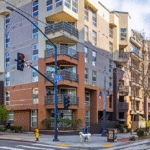
Pros & Cons of Living in Little Italy San Diego
Thinking about making Little Italy your home base in downtown San Diego? Below is an honest, practical look at the neighborhood’s strengths and trade-offs. We alternate each Pro with a related Con so you can weigh what matters most for your lifestyle, budget, and daily routine.
Pro #1 — Exceptionally Walkable, Village-Style Living
Little Italy is one of the most walkable pockets in all of San Diego. On a typical day, you can step out of your condo and be on India Street, Kettner Boulevard, or Piazza della Famiglia within minutes, grabbing coffee, groceries, or dinner without ever getting in your car. For buyers who prioritize a “park once and live” lifestyle, this neighborhood delivers in a big way.
The layout is compact and intuitive: most of the action runs along India Street and the parallel corridors, with residential buildings woven in between restaurants, boutiques, and small parks. That means daily errands like picking up dry cleaning, grabbing a prescription, or hitting the farmers’ market are all realistically walkable, not just “walkable on paper.”
Walkability especially benefits professionals who work from home, downsizers who want to simplify, and frequent travelers who value being close to the airport without feeling like they live in an airport hotel zone. If you like the idea of living in a true urban village where your neighborhood feels like an extension of your living room, Little Italy checks that box.
Search All Condos For Sale In Little Italy
Con #1 — Urban Noise and Activity Come With the Territory
The same energy that makes Little Italy so appealing also means it is not a quiet, suburban environment. Restaurants, bars, and cafes stay active well into the evening, especially on weekends. You will hear people on the sidewalks, delivery trucks in the mornings, and the general hum of a busy downtown neighborhood.
Noise levels can vary dramatically by street and by floor. Condos directly on India Street or near popular nightlife spots will feel livelier, while units set back on side streets like Columbia or State, or higher up in the building, tend to be noticeably quieter. Even then, you should expect some level of ambient city sound: sirens, occasional late-night conversations, and the buzz of events.
If you are sensitive to noise, it is important to factor this into your search strategy. Focus on higher floors, interior-facing units, and buildings known for better sound insulation. Touring at different times of day—especially Friday and Saturday evenings—will give you a realistic sense of what your daily (and nightly) experience will be like.
Pro #2 — Outstanding Restaurant, Cafe, and Nightlife Scene
Little Italy is arguably San Diego’s premier dining district. Within a few blocks, you will find everything from classic Italian trattorias and pizza spots to high-end tasting menus, craft cocktail bars, and casual brunch cafes. For many residents, the ability to walk to a different great restaurant every night is a major part of the lifestyle.
The neighborhood has evolved far beyond its traditional roots. Yes, you can still find old-school red-sauce Italian, but you will also see sushi, modern American, seafood, rooftop bars, and coffee roasters that draw people from all over the county. This variety makes it easy to entertain out-of-town guests, meet friends for a quick drink, or grab a last-minute dinner without planning ahead.
From a buyer’s perspective, this level of amenity density adds real value. You are not just buying a condo; you are buying into a food and social scene that is already established and continues to grow. For many homeowners, that means they cook less, drive less, and feel more connected to the neighborhood because so much of their daily life happens right outside their front door.
Search All Condos For Sale In Downtown San Diego
Con #2 — Popularity Brings Crowds and Weekend Congestion
The flip side of having one of the best restaurant scenes in the city is that you are sharing it with everyone else. On Friday and Saturday nights, and during peak dining hours, sidewalks can feel crowded, and the main corridors can be busy with rideshare drop-offs, valet stands, and visitors circling for parking.
Special events like the Little Italy Mercato farmers’ market, art walks, and holiday festivities add to the charm but also increase foot traffic and street closures. If you live on or near the main thoroughfares, you will feel this more acutely. It is part of the urban experience, but it can be a drawback if you prefer a slower, quieter pace.
Most residents adapt by learning the neighborhood’s rhythms: when to run errands, which routes to take, and where to park. Still, if you envision stepping out into empty, peaceful streets most evenings, Little Italy’s popularity may feel like a mismatch. In that case, you might consider nearby but slightly less trafficked areas like the Columbia District or certain pockets of the Marina District.
Pro #3 — Strong Walkability to Waterfront, Parks, and Transit
Beyond restaurants and cafes, Little Italy offers excellent access to the San Diego Bay waterfront. A short walk down to the Embarcadero connects you to waterfront parks, the harbor, and scenic walking and jogging paths. For many residents, this is their daily exercise loop and a big quality-of-life upgrade compared to more landlocked neighborhoods.
The neighborhood is also well-served by transit. The County Center/Little Italy trolley station sits on the northern edge of the community, making it easy to hop on the Green or Blue Line to reach Old Town, Mission Valley, the Gaslamp Quarter, or even the border. Bus routes and rideshare availability are strong, and San Diego International Airport is just a few minutes away by car.
From a buyer’s standpoint, this connectivity matters. Whether you commute to another part of the city, travel frequently for work, or simply like the option of leaving your car parked for days at a time, Little Italy’s location makes that realistic. It is one of the few places in San Diego where you can genuinely live a semi-car-free lifestyle if you choose.
Con #3 — Parking Can Be Tight and Sometimes Frustrating
With strong walkability and a thriving restaurant scene comes one predictable downside: parking is at a premium. Most modern condo buildings in Little Italy do include secure, assigned parking, but the number of spaces per unit can vary, and guest parking is often limited or nonexistent.
Street parking for visitors can be challenging, especially in the evenings and on weekends. If you regularly host friends or family, you will want to think through how they will park and whether your building offers any guest options. For some buyers, this is a minor inconvenience; for others, it is a deal-breaker.
Day-to-day, residents adapt by using their assigned spaces, relying more on walking and rideshare, and timing their trips. If you own multiple vehicles or larger vehicles, be sure to verify garage clearance, space dimensions, and any HOA rules around storage or additional parking before you commit to a specific building.
Pro #4 — Diverse Condo Options and Lifestyle Fits
Little Italy offers a surprisingly wide range of condo styles and price points for such a compact neighborhood. You will find everything from smaller, more efficient one-bedrooms ideal for first-time buyers or frequent travelers, to larger two- and three-bedroom units that work well for downsizers or small families.
Some buildings lean more boutique and low-rise, with fewer amenities but a more intimate feel. Others are mid- to high-rise towers with features like pools, fitness centers, rooftop decks, and concierge services. This variety allows buyers to prioritize what matters most: square footage, views, amenities, or monthly carrying costs.
Remote workers often gravitate toward buildings with good natural light, quiet common areas, and strong in-building amenities. Frequent travelers appreciate secure parking and easy airport access. Downsizers tend to focus on walkability, building upkeep, and a sense of community within the HOA. Little Italy has options for each of these buyer types, which is part of why it stays in such high demand.
Con #4 — Event Days and Seasonal Activity Can Disrupt Routine
Little Italy hosts a steady calendar of events: the weekly Mercato farmers’ market, art walks, cultural festivals, and holiday celebrations. These events are a big part of the neighborhood’s charm, but they also mean periodic street closures, heavier foot traffic, and more noise than usual.
If you live directly along the main event corridors, you may need to plan around set-up and tear-down times, especially on Saturday mornings for the Mercato. Access to garages can be temporarily rerouted, and rideshare pickup spots may shift during larger events. For many residents, this is a fair trade for living in such an active neighborhood, but it is important to go in with eyes open.
Seasonality also plays a role. Summer and holiday periods tend to be busier, with more tourists and visitors exploring the area. If you prefer a more predictable, low-key environment year-round, you might find these ebbs and flows tiring. In that case, focusing on side streets or buildings a bit removed from the main event zones can help balance the experience.
Start Your Downtown San Diego Condo Search Today With A Local Agent!
Pro #5 — Strong Value in Views, Amenities, and Building Quality
Within Little Italy, value is often tied to view corridors, floor height, and amenity packages. Units with unobstructed bay views, especially on higher floors facing west, command a premium but also tend to hold their value well over time. Even partial water views or city skyline vistas can make a meaningful difference in both enjoyment and resale appeal.
Many of the newer or recently updated buildings offer attractive amenity stacks: rooftop lounges with fire pits, well-equipped fitness centers, community rooms, and outdoor spaces that extend your living area beyond the walls of your unit. For buyers who entertain or work from home, these shared spaces can be a significant lifestyle upgrade.
Construction quality and building management also matter. Well-run HOAs with solid reserves, proactive maintenance, and clear rules tend to translate into better long-term ownership experiences. In Little Italy, you will find a number of buildings that have established track records, which can give buyers more confidence about future assessments and upkeep.
Con #5 — Premium Pricing and HOA Dues Compared to Other Areas
All of these benefits come at a cost. Little Italy is one of the more expensive downtown San Diego neighborhoods on a price-per-square-foot basis, especially for newer buildings and units with strong views. Buyers coming from suburban markets are often surprised at how much smaller urban condos can be for the same or higher price.
HOA dues can also be a meaningful line item in your monthly budget. Buildings with extensive amenities, 24-hour security, and concierge services typically have higher dues, while more modest buildings may be lower but offer fewer extras. It is common to see a wide range of HOA fees even within the same neighborhood, depending on age, size, and amenity level.
When evaluating Little Italy, it is important to look at the full cost of ownership: mortgage, property taxes, HOA dues, insurance, and parking. For some buyers, the lifestyle benefits fully justify the premium. For others, nearby neighborhoods like East Village or certain parts of the Marina District may offer more square footage for the same budget, even if they lack Little Italy’s exact vibe.
Pro #6 — Central Location Near Other Key Downtown Districts
Little Italy sits in a highly strategic spot within downtown San Diego. To the south, you are close to the Columbia District and the core of downtown’s office and business centers. To the southeast, you can easily reach the Gaslamp Quarter for additional nightlife, entertainment, and Padres games at Petco Park with a short trolley ride or drive.
To the west, the waterfront and Embarcadero are just a few blocks away, offering access to parks, museums, and harbor cruises. To the east, you can connect to Bankers Hill and Hillcrest within a short drive or rideshare, expanding your dining and shopping options even further. This centrality makes Little Italy a convenient launch point for exploring the rest of the city.
For buyers who want to be in the middle of things without being directly in the Gaslamp or right on the busiest parts of the waterfront, Little Italy often feels like the perfect middle ground. You get a strong neighborhood identity plus easy access to everything else downtown has to offer.
Con #6 — Tourist Traffic and Trolley/Airport Realities
Being centrally located and close to the waterfront also means you will see your fair share of tourists and visitors. Cruise ship days, convention traffic, and peak travel seasons can all increase the number of people moving through the area, especially along the Embarcadero and main restaurant corridors.
The nearby trolley line and proximity to the airport are major conveniences, but they also come with some practical realities. Depending on your building’s orientation, you may hear occasional trolley noise or airplane activity, particularly during peak flight times. Most residents find it becomes background noise, but it is something to be aware of if you are especially sensitive.
Traffic patterns can also shift during big events or busy travel periods, making certain routes in and out of the neighborhood slower than usual. If you commute by car at fixed times each day, it is worth testing your route during those hours to see how it feels in real life rather than relying solely on maps or estimates.
Let’s Get Started Today On Your Home Purchase
Pro #7 — Strong Community Vibe and Ongoing Investment
Despite being a dense urban neighborhood, Little Italy has managed to maintain a genuine sense of community. The piazzas, weekly farmers’ market, and regular events create natural gathering points where residents actually see and interact with each other. This gives the area a more “neighborhood” feel than many downtown districts.
Streetscapes are generally well-maintained, with thoughtful landscaping, public art, and active storefronts that keep the area feeling lively and safe. Ongoing investment in the neighborhood—from new residential projects to upgraded public spaces—signals confidence in Little Italy’s long-term appeal.
For buyers thinking about both lifestyle and resale, this combination of community engagement and continued improvement is encouraging. It suggests that Little Italy is not a fad but a mature, evolving neighborhood that is likely to remain one of downtown San Diego’s most desirable places to live.
Con #7 — Not the Best Fit if You Want Space, Yards, or Quiet Suburban Living
For all its strengths, Little Italy is still an urban, condo-centric neighborhood. If your non-negotiables include a private yard, large garages, wide streets, and very low noise levels, this area will probably feel like a compromise. Units tend to be more compact, and outdoor space is usually in the form of balconies, rooftop decks, or shared courtyards rather than private yards.
Families who need multiple bedrooms plus dedicated play space may find the floor plans and price points challenging compared to what they can get in more suburban parts of San Diego. Pet owners with large dogs may also prefer neighborhoods with easier access to larger private yards or expansive parks, even though Little Italy does offer some pet-friendly amenities.
If you love the idea of visiting Little Italy for dinner, coffee, or the farmers’ market but crave a quieter, more traditional residential environment day-to-day, you may be better served by looking in nearby neighborhoods like Mission Hills, North Park, or Point Loma and treating Little Italy as your favorite destination rather than your home base.
Final Thoughts
Little Italy offers a mix of advantages and trade-offs that vary by building, street, and floor level. Use this alternating list to focus your priorities, then compare active listings and recent comps to see how pricing, HOA dues, and amenity sets align with your goals.
Contact Us Today!
With nearly two decades of experience helping buyers and sellers throughout San Diego, Wesley Guest understands that real estate decisions are rarely just about numbers — they’re about timing, lifestyle, and long-term peace of mind. From first-time condo buyers to seasoned sellers and relocations, his approach is focused on clarity, strategy, and protecting your interests. If you’d like help navigating your next move in San Diego, don’t hesitate to reach out and schedule a conversation below.