What’s Mira Mesa San Diego Really Like?
Mira Mesa is one of San Diego’s most unique communities — known for its family-friendly vibe, strong schools, proximity to major job centers, and a huge variety of everyday conveniences. Whether you’re thinking about buying a condo here, relocating, or exploring options, this guide covers everything you need to know.
Overview of Mira Mesa
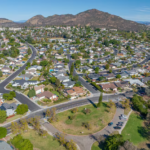
Mira Mesa sits in North County’s southern edge, just east of Sorrento Valley and north of Clairemont, with convenient access to I-15 and I-805 and quick connections to Sorrento Mesa, UTC, and the I-5 corridor. The neighborhood is largely suburban, with a mix of single-family homes, townhomes, and low-rise condos wrapped around busy commercial corridors like Mira Mesa Boulevard. You’ll find a diverse mix of residents here: tech and biotech professionals commuting to nearby job centers, military families from MCAS Miramar, and long-time homeowners who appreciate the area’s relative affordability and strong community feel.
Housing & Real Estate Snapshot
Common property types:
- Mira Mesa’s housing stock is dominated by 1970s–1990s single-family homes on modest lots, along with a healthy number of condo and townhome communities that appeal to first-time buyers and investors.
- There are several master-planned tracts and amenity-rich developments, especially on the western and northern edges of the neighborhood, with community pools, playgrounds, and greenbelts. Clusters of condos and townhomes sit close to major roads like Camino Ruiz and Mira Mesa Boulevard for easy commuting.
- You’ll see a clear distinction between older garden-style condo complexes with simpler amenities and newer or recently renovated communities that offer updated exteriors, modern interiors, and better common-area features.
Search Homes And Condos For Sale In Mira Mesa
Typical prices:
- As of recent trends, smaller 1-bedroom condos in Mira Mesa often range roughly from the mid-$400,000s to low $500,000s, depending on condition, parking, and community amenities. Two-bedroom condos and townhomes typically fall in the mid-$500,000s to high $600,000s.
- Detached single-family homes usually start in the high $800,000s and can push into the $1.1M–$1.3M range for larger floor plans, updated interiors, or homes on cul-de-sacs and view lots. Compared to coastal areas like La Jolla or Pacific Beach, and downtown high-rises, Mira Mesa is generally more affordable for the space you get.
- Homes with recent renovations, open-concept layouts, and upgraded kitchens and baths tend to command a premium, as do properties in quieter interior streets away from main roads. Newer or fully remodeled homes near top-rated schools and easy commute routes often see strong buyer demand and multiple offers.
HOA ranges:
- Older condo communities in Mira Mesa often have HOA dues in the approximate range of $275–$425 per month, typically covering exterior maintenance, common-area landscaping, and basic amenities.
- Newer or more amenity-rich developments, including townhome communities with pools, clubhouses, or gated entries, can see HOA dues in the $400–$600+ per month range, depending on what’s included.
- Dues vary based on whether the community offers features like pools, spas, fitness centers, security gates, extensive landscaping, and well-funded reserves. Some communities also bundle water, trash, and limited insurance into the monthly fee, which can offset other household costs.
Get Your Essential San Diego Home Buyer’s Guide
New vs older buildings:
- Mira Mesa’s core neighborhoods were largely built from the early 1970s through the 1990s, with pockets of newer construction and infill projects added in the 2000s and 2010s. Many original homes have been updated over time, while some properties still retain more original finishes.
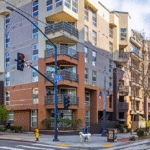
- The architectural character is mostly traditional suburban: stucco exteriors, tile roofs, and practical floor plans, with some communities showing a more contemporary or Mediterranean influence. Condo complexes often feature low-rise, garden-style layouts with shared courtyards and parking.
- Newer developments and remodels tend to cluster near the northern and western edges of Mira Mesa and in areas closer to Sorrento Valley and Sorrento Mesa, where demand from nearby tech and biotech job centers is strong.
- Older communities usually offer larger lots and sometimes lower tax and HOA burdens, but may require more ongoing maintenance or cosmetic updates. Newer construction and fully renovated homes provide modern layouts, energy-efficient systems, and updated finishes, often at a higher price point and with higher HOAs in condo/townhome settings.
Walkability, Lifestyle & Daily Living
Mira Mesa is highly convenient for day-to-day living, even if it isn’t a “park your car forever” urban neighborhood. Most residential streets are quiet and residential, but you’re usually just a short drive—or in some pockets, a reasonable walk—from major shopping centers along Mira Mesa Boulevard and Camino Ruiz. Here you’ll find multiple grocery options (including Asian markets and big-box stores), coffee shops, fitness centers, and everyday services like banks, pharmacies, and medical offices.
The lifestyle here is very practical and family-oriented. Noise levels are generally moderate: interior streets are fairly quiet, while homes closer to Mira Mesa Boulevard, Black Mountain Road, or the freeways can experience more traffic noise. Commute patterns are a big draw—many residents work in nearby job centers like Sorrento Valley, Sorrento Mesa, UTC, and Kearny Mesa, which can mean shorter drive times compared to living farther inland. Morning and evening rush hours do bring congestion on I-15, I-805, and key surface streets, but for a lot of buyers, the trade-off of being close to work, schools, and shopping makes Mira Mesa an appealing choice.
Moving To San Diego? Get Your Essential San Diego Relocation Guide
Restaurants, Cafes & Local Favorites
Mira Mesa has quietly become one of San Diego’s go-to spots for casual, diverse dining. Along Mira Mesa Boulevard you’ll find a strong lineup of Asian eateries—think pho, ramen, Korean BBQ, and Filipino comfort food—alongside sushi bars and bubble tea shops. There are also plenty of fast-casual staples, pizza spots, and burger joints that make weeknight dinners easy.
Local favorites often include neighborhood pho houses, busy dim sum and hot pot spots, and long-time mom-and-pop restaurants that draw regulars from all over the city. You’ll also find coffee shops and bakeries tucked into the shopping centers, plus a few craft beer options and sports bars where residents gather on weekends. While you won’t get the rooftop bar scene of downtown, the everyday food options are extensive, affordable, and very convenient.
Parks, Nature & Outdoor Activities
For a suburban neighborhood, Mira Mesa offers a solid mix of parks and outdoor spaces. Community parks like Mira Mesa Community Park and Mesa Verde Park provide playgrounds, sports fields, and open lawns that are heavily used for youth sports, weekend picnics, and community events. Many neighborhoods have smaller pocket parks and greenbelts that make it easy to get outside without leaving the area.
Residents who want more nature often head to nearby trails in Los Peñasquitos Canyon Preserve, just a short drive away, for hiking, biking, and dog walks along the creek. The proximity to MCAS Miramar also means you’ll see open space and can occasionally hear aircraft overhead, especially during training periods. Overall, Mira Mesa gives you plenty of everyday outdoor options, with larger regional parks and canyons close enough for a quick weekend adventure.
Let’s Get Your Home Search Started Today!
Transportation & Parking
Parking situation: Most single-family homes in Mira Mesa include attached garages and driveway parking, which makes day-to-day parking straightforward for homeowners. Condo and townhome communities typically offer assigned carports or garage spaces, with varying levels of guest parking. Some older complexes can feel tight on guest spots, so visitors may need to use street parking, which is generally available but can fill up in denser pockets.
Traffic patterns: Traffic tends to concentrate along Mira Mesa Boulevard, Black Mountain Road, and the I-15 and I-805 on-ramps during peak commute hours. Morning traffic heading toward Sorrento Valley, Sorrento Mesa, and UTC can back up at key intersections, and evening rush hour often brings slowdowns in the opposite direction. Within residential streets, traffic is usually light, but buyers should pay attention to homes backing directly onto busy roads or near major intersections if noise and traffic are concerns.
Transit options: Mira Mesa is primarily a car-dependent neighborhood, but it is served by several MTS bus routes that connect to transit centers and job hubs in Sorrento Valley, UTC, and Kearny Mesa. The area offers relatively easy access to I-15, I-805, and State Route 56, which is a major plus for commuters working across North County and central San Diego. Bikeability varies by micro-area—some streets have bike lanes and wide sidewalks, while others are more car-oriented—so cyclists often plan routes carefully to avoid the busiest corridors.
Schools & Education Options
Mira Mesa is part of the San Diego Unified School District and is known for having several well-regarded public schools that draw families to the area. You’ll find neighborhood elementary schools spread throughout the community, a middle school, and Mira Mesa High School serving as the main comprehensive high school. There are also a few charter and magnet options within a reasonable drive, giving families some flexibility depending on program focus and availability.
Private and parochial schools can be found in nearby communities such as Scripps Ranch, Rancho Peñasquitos, and Clairemont, offering additional choices for families seeking specific educational environments. As always, boundaries and enrollment policies can change, so it’s important for buyers to verify current school assignments and programs directly with the district and individual schools.
Crime & Safety
Mira Mesa has crime levels that vary by block and building. Nearby neighborhoods such as Little Italy and Cortez Hill have received D- safety grades from CrimeGrade.org, indicating they are safer than only about 10–14% of U.S. neighborhoods. Crime can shift significantly between streets, so buyers should review updated data on the San Diego Police Department crime dashboard to understand building-specific patterns.
Start Your Mira Mesa Home Search Today With A Local Agent!
Things to Consider Before Moving Here
- Expect realistic suburban trade-offs: some areas near Mira Mesa Boulevard, Black Mountain Road, and the freeways can experience heavier traffic, higher noise levels, and more activity, especially during commute hours and weekends. Certain condo and townhome communities may have tighter parking, stricter HOA rules, and more compact outdoor space than a traditional single-family home.
- Like most of San Diego, crime patterns in Mira Mesa can vary significantly from one street or complex to the next. When you’re touring, it’s smart to visit at different times of day, talk to neighbors, and review recent crime data for the specific block or building you’re considering, rather than assuming the entire neighborhood is the same.
Final Thoughts
Mira Mesa offers a mix of lifestyle convenience, urban amenities, and strong real estate options — along with the typical trade-offs found across San Diego’s most active neighborhoods. Use this guide to better understand the area as you begin comparing homes and communities.
Contact Us Today!
With nearly two decades of experience helping buyers and sellers throughout San Diego, Wesley Guest understands that real estate decisions are rarely just about numbers — they’re about timing, lifestyle, and long-term peace of mind. From first-time condo buyers to seasoned sellers and relocations, his approach is focused on clarity, strategy, and protecting your interests. If you’d like help navigating your next move in San Diego, don’t hesitate to reach out and schedule a conversation below.