Everything You Need to Know About Torrey Hills San Diego
Curious about what it’s really like to live in Torrey Hills San Diego? Whether you’re exploring condos, planning a move, or just want to understand the vibe, this guide covers 25 essentials — from lifestyle and walkability to housing, dining, culture, and practical day-to-day living.
1. Master-planned community with a suburban coastal feel
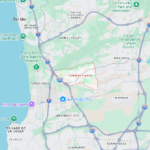
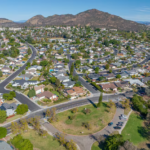
Torrey Hills is a compact, master-planned community in Carmel Valley’s southern section, just east of the I-5 and north of the 56. It offers a clean, suburban feel with well-maintained streets, landscaped medians, and a consistent architectural style across most tracts. The neighborhood is primarily residential, with a small but useful commercial core along Carmel Mountain Road. Buyers who want a quieter, family-oriented environment close to the coast but not directly in the tourist zones often find Torrey Hills appealing. It feels newer and more organized than many older San Diego neighborhoods, which can be a key draw for those prioritizing low-maintenance living.
2. Housing mix: mostly single-family with some townhomes and condos
The housing stock in Torrey Hills is dominated by two-story single-family homes built mainly in the late 1990s and early 2000s, many with three to five bedrooms. There are also several townhome and condo communities that provide relatively more affordable entry points into the area, often with attached garages and small patios instead of large yards. Most homes are part of planned developments with consistent elevations and floor plans, so buyers can compare models and layouts across different streets. Lot sizes tend to be modest by suburban standards, with a focus on efficient use of space rather than expansive yards. This mix works well for buyers who want modern construction and functional layouts without the upkeep of older, larger lots.
Search Homes And Condos For Sale In Torrey Hills San Diego
3. HOA prevalence and what it means for owners
Most of Torrey Hills is governed by homeowners associations, especially within the single-family tracts and nearly all condo and townhome complexes. HOA dues typically cover common area landscaping, community signage, and sometimes small parks or entry features, with condo communities also including exterior maintenance and insurance. Buyers should review CC&Rs carefully, as HOAs may regulate exterior paint colors, landscaping choices, and parking. In practice, these rules help maintain a cohesive, well-kept look throughout the neighborhood, which supports long-term property values. From a broker’s perspective, it is common to see buyers initially resist HOAs, then appreciate the consistent curb appeal and resale stability they help create.
4. Freeway access: I-5 and SR-56 convenience
Torrey Hills offers excellent freeway access, sitting just east of I-5 and directly north of State Route 56. Residents can reach the I-5 via Carmel Mountain Road in a few minutes, making north-south travel along the coast straightforward. The 56 provides an efficient east–west corridor, connecting to inland communities like Rancho Peñasquitos and Poway, as well as linking to I-15. This connectivity is a major advantage for commuters working in different parts of San Diego County. However, during peak rush hours, the on-ramps and nearby intersections can back up, so buyers should factor real-world commute times into their decision.
5. Commute to major job centers
Torrey Hills is strategically located near several of San Diego’s key employment hubs, including Sorrento Valley, University City, and the Torrey Pines/La Jolla biotech and research corridor. Many residents can reach these job centers in 10–20 minutes under normal traffic conditions, which is a significant advantage compared with more distant suburbs. Downtown San Diego is typically a 20–30 minute drive outside of rush hour, but commute times can stretch during peak periods. The proximity to tech, biotech, and professional services employers makes Torrey Hills particularly attractive for dual-income households with demanding schedules. This convenience is one of the main reasons the area holds its value even when broader markets soften.
Get Your Essential San Diego Home Buyer’s Guide
6. Noise pockets near freeways and major roads
While much of Torrey Hills feels quiet and residential, some pockets experience noticeable noise from I-5, SR-56, and Carmel Mountain Road. Homes backing directly to these corridors or situated on elevated lots facing the freeway can have consistent background traffic noise, especially during peak hours. Sound walls and landscaping help, but they do not eliminate the impact entirely. Buyers sensitive to noise should walk the area at different times of day and stand in backyards with windows open to gauge sound levels. In contrast, interior streets away from the major roads tend to be significantly quieter and more desirable from a resale standpoint.
7. School options and boundaries
Torrey Hills is served primarily by the Del Mar Union School District for elementary and the San Dieguito Union High School District for middle and high school. Torrey Hills School is a key neighborhood draw for families, and many buyers specifically target the area to be within its boundary. Older students often attend Carmel Valley Middle School and Torrey Pines High School or Canyon Crest Academy, depending on assignment and choice options. School quality is a major driver of demand, and strong test scores and reputations support pricing in the area. Buyers should always confirm current boundaries and enrollment policies, as district lines and choice programs can change over time.
8. Walkability within the neighborhood core
Torrey Hills is moderately walkable within its own footprint, especially around the commercial center on Carmel Mountain Road and the nearby residential streets. Sidewalks are continuous, and many families walk to Torrey Hills Park, the local school, and neighborhood shopping. However, it is not an urban, fully walkable environment like downtown or coastal village centers; most residents still rely on cars for larger errands and commuting. The layout is designed more for safe neighborhood circulation than for car-free living. For buyers who value being able to walk to a park, school, or coffee shop but do not need full urban walkability, the balance is often ideal.
9. Local shopping and daily conveniences
The main retail area in Torrey Hills sits along Carmel Mountain Road, offering a grocery store, coffee shops, casual dining, and essential services like dry cleaning and fitness options. This makes day-to-day errands relatively easy without needing to drive into larger centers like Del Mar Highlands or One Paseo, though those are only a short drive away. Residents can handle most weekly needs within a few minutes of home, which is a practical advantage for busy households. The retail mix is more functional than trendy, focused on convenience rather than destination dining or nightlife. For more extensive shopping or upscale restaurants, buyers should expect to drive a few miles into neighboring Carmel Valley or Del Mar.
10. Proximity to beaches and coastal recreation
Torrey Hills is not directly on the water, but it offers quick access to several popular beaches, including Torrey Pines State Beach and Del Mar’s coastline. Depending on traffic, residents can often reach the sand in 10–15 minutes, which is a strong selling point for those who want coastal access without paying premium beachfront prices. The nearby Torrey Pines State Natural Reserve provides hiking trails with ocean views and is a frequent weekend destination for locals. Cyclists and runners also take advantage of the coastal routes and canyon paths in the broader area. This combination of inland stability and coastal proximity is a key lifestyle benefit for many buyers.
11. Parks, open space, and outdoor amenities
Torrey Hills includes several small neighborhood parks and green spaces, with Torrey Hills Park being the primary gathering spot for families and dog owners. Playgrounds, open lawns, and walking paths offer everyday recreation options without leaving the community. The surrounding area also connects to larger trail networks and open space corridors, appealing to those who enjoy jogging, biking, or casual hikes. While there are no large regional parks inside Torrey Hills itself, the quick access to coastal reserves and nearby community parks in Carmel Valley fills that gap. Buyers who prioritize outdoor time will find plenty of options within a short drive.
12. Resale considerations and long-term value
Resale in Torrey Hills tends to be strong due to a combination of school quality, freeway access, and proximity to major job centers. Homes with larger yards, cul-de-sac locations, or upgraded interiors typically command a premium and move faster when listed correctly. Properties backing to busy roads or freeways may sell at a discount relative to quieter interior lots, and they can take longer to attract buyers in softer markets. From a resale perspective, thoughtful updates to kitchens, flooring, and outdoor spaces often provide solid returns in this neighborhood. I often advise clients here to focus on location within the community first, then evaluate how much renovation they are willing to take on to maximize long-term value.
Moving To San Diego? Get Your Essential San Diego Relocation Guide
13. Typical price points and competition
Torrey Hills generally sits in the upper mid-range of San Diego pricing, more affordable than some coastal Del Mar and La Jolla neighborhoods but higher than many inland suburbs. Single-family homes often trade at a premium due to limited inventory and strong demand from families and professionals. Townhomes and condos provide a lower entry price, but monthly HOA dues and Mello-Roos (where applicable) should be factored into total cost of ownership. Competition can be intense for well-priced homes, particularly those in quiet locations with updated finishes. Buyers should be prepared for multiple-offer situations in peak seasons and may need to act quickly when the right property appears.
14. Age and style of construction
Most of Torrey Hills was developed in the late 1990s and early 2000s, so homes are relatively modern compared with many central San Diego neighborhoods. Architectural styles lean toward Mediterranean and Spanish-influenced designs, with stucco exteriors, tile roofs, and attached two- or three-car garages. Floor plans typically emphasize open-concept living areas, family rooms, and large primary suites, which align well with current buyer preferences. Because the housing stock is newer, major systems like plumbing and electrical are generally more up to date, though many original finishes may now feel dated. Buyers often look for properties that have been partially or fully remodeled to current tastes, especially in kitchens and bathrooms.
15. Mello-Roos and property tax considerations
Some parts of Torrey Hills include Mello-Roos special assessments in addition to base property taxes, particularly in newer or master-planned sections. These assessments help fund infrastructure, schools, and community improvements but increase the monthly carrying cost of ownership. Buyers should review the property tax bill or preliminary title report to understand the total tax rate for any specific home. In some cases, two similar homes can have noticeably different tax obligations based on Mello-Roos status. Understanding this upfront helps avoid surprises and allows for accurate budgeting when comparing Torrey Hills to other neighborhoods.
16. Demographics and community feel
The community is largely composed of professionals, many working in tech, biotech, finance, or healthcare, along with a significant number of families with school-age children. This demographic mix contributes to a stable, low-crime environment and a focus on schools, parks, and family-friendly amenities. Weeknights and weekends often revolve around school events, youth sports, and neighborhood gatherings at parks or local shops. The area is not a nightlife destination; evenings tend to be quiet and residential. Buyers seeking a calm, orderly environment with a strong emphasis on education and career convenience typically feel at home here.
17. Rental market and investor appeal
Torrey Hills has a steady rental market driven by proximity to major employment centers and high-performing schools. Many renters are professionals or families who want to be in the area but are not ready or able to purchase. Single-family homes and larger townhomes are especially attractive as rentals, often commanding strong monthly rates relative to purchase price. Investors should factor in HOA rules, which may limit short-term rentals and impose guidelines on leasing. For long-term holds, the combination of stable demand and limited new construction nearby supports the case for consistent occupancy and gradual appreciation.
Let’s Get Your Home Search Started Today!
18. Traffic patterns and internal circulation
Within Torrey Hills, internal streets are generally calm, with speed humps and design features that discourage cut-through traffic. The main congestion points occur near the Carmel Mountain Road intersections with I-5 and local shopping centers, particularly during school drop-off and evening commute hours. Residents often adjust their routines slightly to avoid peak bottlenecks, using alternate routes where available. Street parking is typically manageable on interior residential streets, though some HOA rules may restrict overnight parking of certain vehicles. Buyers who commute daily should test-drive their route during typical rush-hour windows to understand realistic travel times.
19. Dining and restaurant options
Dining within Torrey Hills itself is mostly casual and convenient, with a mix of coffee shops, fast-casual restaurants, and a few sit-down options. For a broader selection of restaurants, residents usually head to nearby Del Mar Highlands Town Center, One Paseo, or coastal Del Mar, all within a short drive. This means that while daily meals and takeout are easy, destination dining typically requires leaving the immediate neighborhood. The upside is that residents can access a wide variety of cuisines and atmospheres without a long commute. Buyers who prioritize quiet residential streets over being in the middle of a restaurant district generally see this as a favorable trade-off.
20. Climate and microclimate nuances
Torrey Hills benefits from a mild coastal-influenced climate, with cooler temperatures and more marine layer than inland communities but slightly warmer and sunnier than neighborhoods directly on the water. Morning fog and overcast skies are common in late spring and early summer, often clearing by midday. Air conditioning is common but not always essential year-round, as evening temperatures tend to drop comfortably. The microclimate helps keep landscaping green and reduces extreme heat days compared with more inland parts of San Diego. For buyers sensitive to heat, this balance of coastal influence and inland warmth is often ideal.
21. Safety and security profile
Torrey Hills is generally perceived as a safe, low-crime neighborhood, supported by its demographic profile and active community presence. Most issues reported tend to be minor property crimes, such as occasional car break-ins when vehicles are left unlocked. Many residents add basic security measures like cameras or smart doorbells, but extensive security systems are less common than in some urban areas. Well-lit streets, regular foot traffic near parks and schools, and engaged neighbors contribute to a sense of safety. Buyers should still review local crime data for specific streets, but overall, the area ranks favorably compared with many parts of the city.
22. Future development and potential changes
Because Torrey Hills is largely built out, major new residential development within the immediate neighborhood is limited. Most changes going forward are likely to involve updates to existing commercial spaces, infrastructure improvements, or small infill projects in surrounding areas. Nearby employment centers in Sorrento Valley and the Torrey Pines/La Jolla corridor continue to evolve, which can support long-term housing demand. Buyers should stay aware of any proposed road, transit, or commercial projects that could affect traffic patterns or noise levels. Overall, the area’s relatively mature status tends to favor stability rather than dramatic change.
Start Your Torrey Hills San Diego Home Search Today With A Local Agent!
23. Day-to-day lifestyle and routine
Daily life in Torrey Hills revolves around work commutes, school schedules, and local errands, with evenings often spent at parks, home, or nearby shopping centers. Weekends frequently include kids’ sports, coastal outings, or short drives to Del Mar, La Jolla, or other nearby attractions. The neighborhood does not have a strong tourist presence, which keeps traffic and noise more predictable than in coastal hotspots. Residents appreciate the ability to access beaches, hiking, and urban amenities quickly while returning to a quieter home base. For many buyers, the lifestyle is defined by convenience and predictability rather than constant activity.
24. How Torrey Hills compares to nearby Carmel Valley areas
Compared with central Carmel Valley, Torrey Hills is slightly smaller and more contained, with a tighter geographic footprint and fewer large commercial centers. It shares many of the same advantages—strong schools, freeway access, and newer housing—but often at slightly different price points depending on specific tract and location. Some buyers prefer Torrey Hills for its proximity to I-5 and the coast, while others choose central Carmel Valley for its larger shopping and dining hubs. Architecturally and demographically, the areas feel similar, so the decision often comes down to micro-location and specific streets. Working with buyers in both areas, the most common deciding factors are commute patterns, school preferences, and desired neighborhood scale.
25. Practical tips for buying in Torrey Hills
When buying in Torrey Hills, it is important to evaluate each home’s position relative to freeways, major roads, and school traffic to understand noise and congestion. Reviewing HOA documents, Mello-Roos obligations, and recent comparable sales will help clarify true monthly costs and realistic value. Buyers should prioritize floor plan, natural light, and outdoor space, as these features strongly influence both daily enjoyment and future resale. Pre-inspections and careful review of any original builder materials can be useful, given the age of many homes. Partnering with an agent who regularly works in the area can help identify subtle differences between tracts and streets that are not obvious from online listings alone.
Housing Snapshot
Expect a mix of housing styles and price points in Torrey Hills San Diego, with value differences driven by condition, location within the neighborhood, and whether a property offers features like views, outdoor space, or updated interiors. Condos and townhomes often come with HOA dues that vary based on amenities, building age, and what the association covers, while single-family areas tend to trade more on lot size and street location. Inventory can tighten seasonally; buyers should watch for well-priced listings and be ready to act quickly when the right home hits the market.
Sell Your Home or Condo Today!
Final Thoughts
Torrey Hills San Diego blends culture, convenience, and San Diego lifestyle in a way that attracts a wide range of buyers. Use this list as a practical overview of daily life, then explore current listings and recent comps to fine-tune which buildings, streets, and home types align with your budget and routine.
Schedule A Meeting With Our Team
Contact Us Today!
With nearly two decades of experience helping buyers and sellers throughout San Diego, Wesley Guest understands that real estate decisions are rarely just about numbers — they’re about timing, lifestyle, and long-term peace of mind. From first-time condo buyers to seasoned sellers and relocations, his approach is focused on clarity, strategy, and protecting your interests. If you’d like help navigating your next move in San Diego, don’t hesitate to reach out and schedule a conversation below.