Pros & Cons of Living in East Village San Diego
Thinking about making East Village your home base in downtown San Diego? Below is an honest, practical look at the neighborhood’s strengths and trade-offs. We alternate each Pro with a related Con so you can weigh what matters most for your lifestyle, budget, and daily routine.
Pro #1 — True Urban High-Rise Living
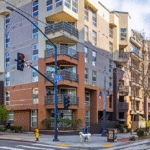
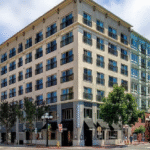
East Village is one of the few San Diego neighborhoods where you can experience true urban high-rise living. Many of the condo buildings here rise 20–40 stories, with glassy towers framing views of the bay, Coronado Bridge, Petco Park, and the downtown skyline. If you like the idea of taking an elevator down to street level and immediately being in the middle of the city, East Village delivers that big-city feel in a coastal setting.
Buyers who benefit most from this are professionals who work downtown, frequent travelers who want a “lock-and-leave” lifestyle, and anyone who prefers vertical living over suburban sprawl. Buildings like The Legend, Icon, Diamond Terrace, and Park Terrace are all oriented around Petco Park, while others like Alta, Smart Corner, and The Mark offer a mix of loft-style and more traditional condo layouts. Many of these buildings include concierge service, secure parking, fitness centers, and rooftop decks.
High-rise living also means you can choose your experience by floor level. Lower floors tend to feel more connected to the street and neighborhood energy, while upper floors offer more privacy, better natural light, and sweeping views. For many buyers, the ability to customize that balance—plus the security and amenities that come with a high-rise—makes East Village especially appealing compared to older, low-rise parts of downtown.
Search All Condos For Sale In East Village
Con #1 — Vertical Lifestyle Isn’t For Everyone
That same high-rise lifestyle can be a drawback if you are used to ground-level living. Everyday tasks like walking the dog, grabbing a delivery, or running back up to your condo because you forgot something all involve elevators, fobs, and a bit more time. If you are coming from a single-family home with a garage and yard, the transition to elevators, shared hallways, and structured parking can feel like a real adjustment.
There is also less private outdoor space than you would find in a townhouse or detached home. Balconies and terraces vary widely by building and floor plan; some are generous and usable, while others are more “step-out” style. If you envision gardening, large outdoor dining sets, or kids playing outside at home, you may find the typical East Village condo balcony limiting and need to rely more on nearby parks and common-area amenities.
Finally, high-rise living comes with building rules and HOA oversight. Pet restrictions, move-in/move-out scheduling, noise rules, and architectural guidelines are part of the package. Many buyers appreciate the structure and upkeep that HOAs provide, but if you are very independent or dislike the idea of asking permission for changes, this vertical, community-governed lifestyle may feel restrictive compared to a traditional house.
Pro #2 — Walkable Nightlife, Dining, and Coffee Culture
East Village has grown into one of downtown’s most walkable neighborhoods for nightlife and dining. Within a few blocks, you can move from craft breweries and cocktail bars to casual taco spots, coffee roasters, and sit-down restaurants. Streets like J, K, and Market around 10th–11th Avenues, as well as the blocks surrounding Petco Park, offer a steady mix of options that make it easy to meet friends without getting in the car.
For residents, this walkability changes your daily routine. Morning coffee can be a stroll to a local café instead of a drive-through. Dinner plans can be spontaneous because you are only a few minutes’ walk from multiple choices. The neighborhood’s mix of newer residential towers and ground-floor retail means many buildings have restaurants, bars, or coffee shops right downstairs or across the street.
East Village also connects easily to the Gaslamp Quarter, which is only a short walk away. That gives you access to a much larger nightlife scene—rooftop bars, clubs, live music venues—while still allowing you to retreat to a slightly more residential-feeling pocket of downtown. If your lifestyle leans social and you like being out in the evenings, East Village’s dining and nightlife density is a major plus.
Con #2 — Noise and Late-Night Activity
The flip side of living near nightlife is noise. Bars, restaurants, and event-day crowds generate sound late into the evening, especially on weekends and during baseball season. Depending on your building, floor level, and orientation, you may hear music, people on the sidewalks, and rideshare traffic well past typical suburban quiet hours.
Street noise is most noticeable on lower floors and in units that face busy corridors or bar-heavy blocks. Even with modern windows, you will still experience more ambient noise than in a quieter residential neighborhood. If you are a light sleeper, work early shifts, or have young children, it is important to factor this into your building and unit selection—higher floors, interior courtyards, and north- or east-facing units can help reduce the impact.
There is also a rhythm to downtown life that takes getting used to: weekend nights are busier, event days can feel like a mini-festival, and ride-share pickups and drop-offs can cluster around certain intersections. Many residents adapt and enjoy the energy, but if you are seeking a calm, low-activity environment at night, East Village’s nightlife may feel like a mismatch.
Pro #3 — Petco Park as Your Backyard
One of East Village’s defining features is Petco Park, home of the San Diego Padres. Living in this neighborhood means you can walk to games, concerts, and special events in minutes. For sports fans and live-event enthusiasts, that proximity is hard to beat—you can leave your home shortly before first pitch and be in your seat without worrying about parking or traffic.
Several condo buildings were designed specifically to take advantage of Petco Park views and access. The Legend has a private resident deck overlooking the ballpark, while Icon and Diamond Terrace offer units with direct stadium and field views. Even if your unit does not face the park, many rooftops and common areas provide sightlines into the stadium and the surrounding skyline, creating a unique sense of place.
Beyond baseball, Petco Park hosts concerts, festivals, and community events throughout the year, which adds variety to your calendar without the hassle of commuting. For many buyers, especially those who entertain friends or clients, the ability to say “let’s just walk over to the game” is a lifestyle upgrade that makes East Village stand out from other downtown neighborhoods.
Search All Condos For Sale In Downtown San Diego
Con #3 — Event-Day Crowds and Street Closures
Living next to a major stadium also means dealing with event-day logistics. On game days and during large concerts, East Village streets can become congested with cars, pedestrians, and rideshares. Certain blocks may be partially closed or redirected, and getting in and out of your building’s garage can take longer than usual around start and end times.
Parking for guests can be particularly challenging when the Padres are playing or a big event is underway. Many of the surrounding surface lots and garages switch to event pricing, and street parking becomes scarce. If you frequently host visitors who drive in, you will want to plan around the event schedule or be prepared to direct them to specific garages and apps for parking.
There is also a noticeable shift in neighborhood feel on event days—louder crowds, more foot traffic, and a festival-like atmosphere that some residents love and others find overwhelming. If you prefer a consistent, predictable level of activity, you may want to focus on buildings a bit farther from the immediate Petco Park perimeter or accept that event days are simply part of the East Village experience.
Pro #4 — Strong Transit Access and Car-Light Living
East Village is one of the better downtown neighborhoods for living with fewer cars—or even going car-free. Multiple San Diego Trolley lines run along the edges of the neighborhood, with stops like Park & Market, 12th & Imperial, and City College providing direct connections to Old Town, Mission Valley, SDSU, and the South Bay. For commuters who work along the trolley line, this can dramatically simplify daily transportation.
In addition to the trolley, East Village is well-served by buses and is very bikeable, with flat streets and growing bike lane infrastructure. Many residents rely on a combination of walking, scooters, rideshare, and transit for daily errands and social outings. Grocery options, gyms, coffee shops, and services are increasingly available within a short walk or quick scooter ride, reducing the need for frequent car use.
For frequent travelers, the location is also convenient: you are a short ride from the Santa Fe Depot for Amtrak and Coaster service, and San Diego International Airport is typically a 10–15 minute drive in normal traffic. If you value easy access to regional and national travel without the burden of long commutes to transit hubs, East Village’s connectivity is a meaningful advantage.
Start Your Downtown San Diego Condo Search Today With A Local Agent!
Con #4 — Parking Constraints and Garage Realities
While you can live car-light in East Village, most residents still own at least one vehicle—and parking comes with trade-offs. Nearly all high-rise buildings offer secure, underground or structured parking, but spaces are assigned and often limited to one or two per unit. If you have multiple cars, large vehicles, or frequent overnight guests, you will need to plan carefully.
Guest parking is one of the most common frustrations. Many buildings have limited or no dedicated guest spaces, pushing visitors to nearby paid garages or metered street parking. During peak times or events at Petco Park, those options can be expensive or hard to find. Buyers who anticipate regular visitors should factor this into their building choice and expectations.
Garage layouts also vary. Some buildings have tight turns, tandem spaces, or stackers that may not be ideal for larger SUVs or trucks. If you drive a bigger vehicle, it is smart to physically see the parking situation before committing to a purchase. Overall, parking is secure and functional, but it is not as effortless as pulling into a private driveway, and that difference matters for some buyers.
Pro #5 — Variety of Price Points and Building Styles
East Village offers a wide range of condo options, from more affordable loft-style units to premium, view-oriented residences overlooking Petco Park and the bay. This variety makes the neighborhood accessible to a broader range of buyers compared to some other downtown districts that skew more uniformly high-end. You will find everything from compact studios and one-bedrooms to larger two- and three-bedroom units with generous balconies.
Pricing typically reflects a combination of factors: floor height, view corridor, building age, amenity package, and proximity to Petco Park or the bay. Higher floors with unobstructed views of the water, stadium, or skyline command a premium, while lower floors or units facing interior courtyards can offer better value. Newer or recently updated buildings with robust amenities—rooftop decks, pools, well-equipped gyms, and concierge services—also tend to sit at the higher end of the price spectrum.
For buyers, this means you can often trade off between size, view, and building amenities to hit your target budget. If you are more focused on square footage, you might prioritize a slightly older building with larger floor plans. If lifestyle amenities and views are top priority, you can focus on towers that deliver that “wow” factor, even if it means a smaller footprint. East Village’s diversity of product gives you room to tailor your purchase to your specific priorities.
Let’s Get Your Home Search Started Today!
Con #5 — HOA Dues and Ongoing Costs Add Up
With high-rise living and strong amenity packages come HOA dues that are higher than what many buyers are used to in suburban communities. In East Village, monthly HOA fees can vary widely depending on the building and amenity set, but it is common to see ranges from the mid-$400s on the low end to $800+ per month or more in full-service, amenity-rich towers. Premium buildings with 24-hour security, concierge, pools, and extensive common areas will typically sit at the higher end.
These dues cover important services—building insurance, common-area maintenance, reserves, security, sometimes utilities, and amenities—but they are a real line item in your monthly budget. When you factor in property taxes, potential Mello-Roos in certain developments, parking costs for additional vehicles, and standard utilities, your total monthly carrying cost can be meaningfully higher than the mortgage payment alone might suggest.
It is also important to pay attention to the financial health of the HOA: reserve studies, upcoming projects, and any history of special assessments. A well-managed HOA with strong reserves can protect your investment and keep the building in good condition, but it may come with slightly higher dues. Conversely, very low dues can sometimes signal underfunded reserves or deferred maintenance. Working with someone who understands the nuances of each building’s HOA is key to avoiding surprises.
Pro #6 — Central Downtown Location with Easy Access to Other Districts
East Village sits on the eastern side of downtown but remains highly connected to other key districts. You can walk to the Gaslamp Quarter in minutes for additional dining and nightlife, head west toward the Marina District for waterfront walks and Seaport Village, or bike up to Little Italy for its restaurant scene and farmers market. This centrality makes East Village a strong home base if you like to explore different parts of downtown regularly.
The neighborhood’s grid layout and relatively flat terrain make walking and biking between districts straightforward. Many residents think of downtown as one large, interconnected neighborhood, with East Village providing a slightly more residential, up-and-coming feel compared to the more established Marina and Columbia districts. You get the benefit of being close to everything while still having your own distinct local identity.
For those who work outside downtown, major freeways like I-5 and CA-94 are easily accessible from East Village, and the trolley connections make commuting to areas like Mission Valley, SDSU, or the South Bay more manageable. If you want an urban lifestyle without feeling locked into one micro-neighborhood, East Village’s location is a strategic advantage.
Con #6 — Tourist Traffic and Weekend Rhythms
Because East Village is adjacent to major attractions—Petco Park, the Gaslamp Quarter, and the broader downtown waterfront—it experiences a steady flow of visitors, especially on weekends and during peak travel seasons. Streets can feel noticeably busier on Friday and Saturday nights, with more rideshares, scooters, and foot traffic moving through the area.
Tourist traffic is most concentrated near the stadium and along the main corridors leading toward the Gaslamp. If your building is on or near those routes, you will see and hear more of that activity, particularly during events and holidays. While this can add to the energy and vibrancy of the neighborhood, it also means you will not get the same quiet, “locals-only” feel you might find in more residential pockets farther from downtown.
On the practical side, weekend rhythms can affect simple tasks like driving out of the neighborhood, grabbing a quick bite at popular spots, or finding a rideshare pickup location that is not congested. Many residents adapt by planning errands for off-peak times and using walking or scooters for short trips. If you are comfortable with a dynamic, sometimes busy environment, it is manageable—but if you strongly prefer low-key, low-traffic surroundings, this is an important consideration.
Schedule A Meeting With Our Team
Pro #7 — Evolving Neighborhood with New Development and Energy
East Village is still evolving, with ongoing development bringing new residential buildings, retail, and public spaces to the area. This sense of growth and momentum appeals to buyers who like being part of a neighborhood that is actively improving rather than fully built-out. Newer projects often come with modern design, updated amenities, and better integration of ground-floor retail and streetscape improvements.
The community vibe is a mix of young professionals, long-time downtown residents, and an increasing number of remote workers who value the urban lifestyle. Dog owners, in particular, tend to appreciate the growing number of pet-friendly buildings and nearby parks and dog runs. As more residents move in and more businesses open, the neighborhood continues to gain a stronger sense of identity and community.
For long-term owners, this ongoing investment can be a positive sign for property values and quality of life. As streetscapes are improved, vacant lots are developed, and services expand, East Village has the potential to feel more polished and complete over time, while still retaining its slightly edgy, creative character compared to some of the more established downtown districts.
Con #7 — Ongoing Construction and Transitional Blocks
The same growth that makes East Village exciting also means you will likely live with some level of construction and change. New projects can bring noise, dust, and temporary street or sidewalk closures. Depending on the location of your building, you may have a construction site nearby for months or even years, which can affect views, noise levels, and daily convenience.
East Village also has a mix of polished, newer blocks and more transitional areas with older buildings, vacant lots, or underutilized spaces. The feel can change noticeably from one intersection to the next. While this is typical of an evolving urban neighborhood, it is important to walk the area at different times of day and night to make sure you are comfortable with the specific streets around any building you are considering.
Finally, because the neighborhood is still maturing, some buyers who prioritize a fully established, consistently upscale environment may find better alignment in areas like the Marina District or parts of Little Italy. If you are open to a bit of grit and change in exchange for growth potential and a more dynamic feel, East Village can be a great fit. If you want everything “finished” and stable, you may want to compare it carefully with other downtown options.
Final Thoughts
East Village offers a mix of advantages and trade-offs that vary by building, street, and floor level. Use this alternating list to focus your priorities, then compare active listings and recent comps to see how pricing, HOA dues, and amenity sets align with your goals.
Contact Us Today!
With nearly two decades of experience helping buyers and sellers throughout San Diego, Wesley Guest understands that real estate decisions are rarely just about numbers — they’re about timing, lifestyle, and long-term peace of mind. From first-time condo buyers to seasoned sellers and relocations, his approach is focused on clarity, strategy, and protecting your interests. If you’d like help navigating your next move in San Diego, don’t hesitate to reach out and schedule a conversation below.