Everything You Need to Know About Carmel Mountain Ranch
Curious about what it’s really like to live in Carmel Mountain Ranch? Whether you’re exploring condos, planning a move, or just want to understand the vibe, this guide covers 25 essentials — from lifestyle and walkability to housing, dining, culture, and practical day-to-day living.
1. Master-planned suburban feel with a North County location
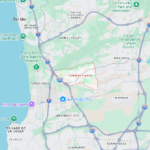
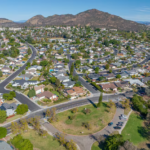
Carmel Mountain Ranch is a master-planned community in North County Inland, just east of Rancho Bernardo and south of 4S Ranch. It offers a clean, organized suburban environment with winding residential streets, cul-de-sacs, and well-maintained landscaping throughout. The neighborhood was largely built in the late 1980s and 1990s, so homes feel more modern than older central San Diego areas but not as dense as newer urban infill. Residents appreciate the balance of suburban quiet with quick access to major freeways, shopping, and services. For many relocating buyers, it feels like a “just right” middle ground between coastal living and more remote inland suburbs.
2. Shopping and daily errands are extremely convenient
One of the biggest draws of Carmel Mountain Ranch is how easy it is to handle daily errands without driving far. The Carmel Mountain Plaza and surrounding retail centers offer Costco, Home Depot, Trader Joe’s, Sprouts, Ralphs, and a variety of smaller shops and services. Big-box options like Best Buy, Michaels, and Petco are clustered nearby, so most residents rarely need to leave the area for essentials. This concentration of retail can make the main commercial corridors busy at peak times, but it dramatically simplifies day-to-day living. Buyers who prioritize convenience over a quaint “village” feel usually find this tradeoff worthwhile.
Search Homes And Condos For Sale In Carmel Mountain Ranch
3. HOA and community fees are common but vary widely
Many parts of Carmel Mountain Ranch are governed by homeowners associations, especially townhome and condo communities as well as certain single-family tracts. HOA dues can cover exterior maintenance, landscaping, common-area insurance, and sometimes community amenities like pools and spas. Some neighborhoods also fall under a master association or have modest annual fees for shared landscaping and entry features. Buyers should review CC&Rs carefully to understand rules on exterior changes, parking, pets, and short-term rentals. In practice, the HOAs help keep the neighborhood looking cohesive and well-kept, but they do add a recurring cost that needs to be factored into the monthly budget.
4. Housing types range from condos to larger single-family homes
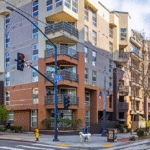
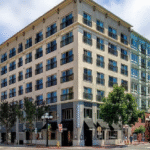
Carmel Mountain Ranch offers a mix of condos, townhomes, and detached single-family homes, which gives buyers flexibility across price points. Condos and townhomes are typically two- or three-bedroom layouts, often with attached garages and small patios or balconies, making them appealing to first-time buyers or downsizers. Single-family homes generally sit on modest lots by suburban standards, but many still offer usable backyards, patios, and some hillside or canyon views. Architectural styles lean toward contemporary and Mediterranean-inspired designs, with stucco exteriors and tile roofs being common. The variety of housing types makes it possible to “move up” within the neighborhood as needs and budgets change.
5. Pricing tiers reflect size, updates, and micro-location
Home prices in Carmel Mountain Ranch typically scale with square footage, lot size, school boundaries, and interior upgrades. Entry-level condos and townhomes usually sit at the lower end of the neighborhood’s pricing spectrum, while larger detached homes on quieter streets or with views command higher prices. Recently renovated properties with modern kitchens, updated flooring, and refreshed bathrooms tend to draw multiple offers when priced correctly. Homes closer to busy roads or commercial areas may trade at a discount compared to similar homes on interior, cul-de-sac, or view lots. From a buyer’s perspective, understanding these micro-differences is key to spotting relative value within the community.
Get Your Essential San Diego Home Buyer’s Guide
6. Commute routes are anchored by I-15 and Ted Williams Parkway
Carmel Mountain Ranch sits just east of Interstate 15, with convenient access via Carmel Mountain Road and Rancho Carmel Drive, making north–south commuting relatively straightforward. Ted Williams Parkway (State Route 56) connects the area west toward Del Mar and the coast, though traffic can back up during rush hours. Many residents commute to employment centers in Sorrento Valley, Rancho Bernardo, Mira Mesa, and downtown San Diego, with drive times heavily dependent on time of day. Express lanes on I-15 can help shorten commutes for those willing to pay tolls or carpool. For buyers relocating from other regions, it is wise to test-drive the commute during typical peak times before finalizing a purchase.
7. School context is a major driver of demand
Carmel Mountain Ranch is served by the Poway Unified School District, which is widely known in San Diego County and often a key reason families target this area. Local elementary and middle schools are located within or near the neighborhood, reducing school commute times and making daily drop-off and pick-up more manageable. While specific ratings are not discussed here, many buyers research district performance, programs, and extracurricular offerings as part of their decision-making. Proximity to schools can influence pricing, with homes within comfortable walking distance sometimes commanding a premium. Families should verify exact school assignments and boundaries, as they can shift over time.
8. Lifestyle tradeoffs: suburban convenience vs. urban energy
Living in Carmel Mountain Ranch offers a calm, residential environment with easy access to shopping, but it does not have the nightlife or dense restaurant scene of more urban San Diego neighborhoods. Evenings tend to be quiet, with most activity centered around local parks, community events, and family-oriented outings. Those who enjoy walkable nightlife, craft cocktail bars, or live music may find themselves driving to nearby areas like Poway, Rancho Bernardo, or coastal communities. In exchange, residents get wider streets, more parking, and a generally low-key atmosphere that appeals to many professionals and families. Buyers should be clear about whether they value a peaceful, suburban rhythm over a more vibrant, urban lifestyle.
9. Walkability is practical, but car use is still common
Within Carmel Mountain Ranch, many residents can walk to parks, nearby schools, and some shopping centers, especially if they live near the main commercial corridors. Sidewalks are common, and the terrain is generally manageable, though there are some gentle hills. That said, the neighborhood is still fundamentally car-oriented, and most people drive for larger grocery runs, commuting, and regional errands. Biking is feasible on certain streets and designated paths, but riders should be comfortable sharing the road with vehicles. For buyers coming from dense urban cores, the walkability here feels more “suburban practical” than “city lifestyle.”
10. Dining options are varied but mostly casual
The dining scene in Carmel Mountain Ranch leans toward casual, family-friendly restaurants and national chains, with a growing mix of local eateries. Residents will find sushi, Thai, Italian, Mexican, and American grill options, along with coffee shops and fast-casual spots. While there are some sit-down restaurants suitable for date nights or celebrations, the area is not a major culinary destination compared to neighborhoods closer to the coast or downtown. Many residents drive a short distance to Poway, Rancho Bernardo, or Carmel Valley for additional dining variety. For everyday meals and takeout, however, the local options are more than sufficient for most households.
11. Parks, recreation, and outdoor spaces are readily available
Carmel Mountain Ranch offers several community parks and green spaces, providing room for sports, playground time, and casual outdoor recreation. Residents have access to facilities like Carmel Mountain Ranch Community Park and nearby neighborhood parks with fields, courts, and walking paths. The area’s inland location means warmer summer temperatures than coastal communities, but evenings often cool down, making outdoor activities comfortable. Hiking and biking trails in nearby canyons and open spaces give residents a way to enjoy nature without a long drive. Golfers previously enjoyed the Carmel Mountain Ranch Country Club course, and while its use has evolved, the surrounding open space still shapes the neighborhood’s feel.
12. Climate: warm, sunny, and drier than the coast
The climate in Carmel Mountain Ranch is typical of inland North County San Diego: warm, sunny, and generally drier than coastal neighborhoods. Summers can be hot, especially during heat waves, but low humidity and cooler evenings help balance daytime temperatures. Marine layer fog is less common here than closer to the ocean, so residents enjoy more consistent sunshine throughout the year. Air conditioning is a standard feature in most homes, and buyers should confirm system age and condition during inspections. For those relocating from colder climates, the weather is often a major quality-of-life upgrade, though it does come with higher reliance on AC during peak summer.
Moving To San Diego? Get Your Essential San Diego Relocation Guide
13. Buyer expectations and competition patterns
In Carmel Mountain Ranch, well-priced homes in good condition often attract strong interest, particularly from buyers prioritizing schools and convenience. Many buyers expect move-in-ready interiors with updated kitchens, newer flooring, and neutral paint, especially at the mid to upper price tiers. Homes that need cosmetic work can still sell well but may sit longer or trade at a discount relative to renovated comparables. From a broker’s perspective, it is common to see multiple offers on homes that check the boxes of location, updates, and realistic pricing. Buyers who are flexible on cosmetic finishes or willing to do light improvements sometimes find better value and less competition.
14. Resale considerations and long-term appeal
Carmel Mountain Ranch has maintained steady demand over time due to its location, schools, and retail access, which supports long-term resale potential. Homes that back to open space, have views, or sit on quiet interior streets often see stronger appreciation and easier resale. Properties near busy roads, commercial centers, or with limited parking can still perform well but may require more strategic pricing and preparation when it is time to sell. Keeping up with routine maintenance and periodic cosmetic updates helps homes remain competitive as newer construction emerges in surrounding areas. For owners thinking ahead, planning improvements with broad buyer appeal can pay off when they eventually list.
15. Noise, traffic, and proximity to commercial areas
As with many suburban communities near major freeways and shopping centers, noise and traffic levels in Carmel Mountain Ranch vary by micro-location. Homes near I-15, Ted Williams Parkway, or major surface streets may experience more road noise, especially during rush hours. Properties closer to large shopping centers can benefit from walkability but may also see heavier traffic and parking activity at peak times. Interior tracts and cul-de-sacs typically feel quieter and more residential, which many buyers prefer for long-term living. When evaluating homes, it is wise to visit at different times of day to get a realistic sense of sound and traffic patterns.
16. Community vibe and demographics
The community vibe in Carmel Mountain Ranch is generally family-oriented, professional, and low-key. Residents include a mix of families with children, dual-income professionals, and long-term homeowners who have been in the area for many years. There is a noticeable sense of pride in property upkeep, with most streets presenting well-maintained yards and homes. Community events, youth sports, and school-related activities play a big role in local life. For buyers seeking a stable, established neighborhood rather than a rapidly changing or trendy area, this consistency is often a major plus.
17. Rental options and investor considerations
Carmel Mountain Ranch includes a mix of owner-occupied and rental properties, with some condos and townhomes particularly popular with investors. Rental demand tends to be steady due to the area’s schools, proximity to employment centers, and overall livability. Investors should review HOA rules carefully, as some communities restrict the number of rentals or impose minimum lease terms. Long-term rentals are more common than short-term vacation rentals, which are often limited by both HOA rules and local regulations. For buyers considering a future investment angle, selecting a property with broad tenant appeal and low-maintenance features can be advantageous.
Let’s Get Your Home Search Started Today!
18. Proximity to regional attractions and other neighborhoods
Carmel Mountain Ranch’s central North County Inland location makes it relatively easy to reach other parts of San Diego. The beaches of Del Mar and Torrey Pines are typically a 20–30 minute drive, depending on traffic and time of day. Popular destinations like Balboa Park, downtown San Diego, and the San Diego Zoo are also accessible, though residents should plan for freeway time. Nearby neighborhoods such as Rancho Bernardo, Poway, and 4S Ranch offer additional parks, dining, and community amenities. For many residents, this location provides a good balance between being “in the mix” and having a quieter home base.
19. Utilities, services, and cost-of-living details
Utility costs in Carmel Mountain Ranch are in line with much of inland San Diego, with electricity usage higher in summer due to air conditioning. Water usage and landscaping choices can impact monthly bills, so some homeowners opt for drought-tolerant yards or artificial turf. Trash, recycling, and green waste services are provided on a regular schedule, and most streets are well-lit with routine city or HOA maintenance. Internet and cable options are generally strong, with multiple providers serving the area. Buyers relocating from out of state should factor in California property taxes, Mello-Roos (where applicable), and HOA dues when comparing overall cost of living.
20. New construction vs. existing homes
Carmel Mountain Ranch is largely built out, so most options are resale homes rather than new construction. This means buyers are choosing among established neighborhoods with mature landscaping and known traffic patterns, rather than living amid ongoing construction. While there may be occasional infill or small-scale projects nearby, large new tracts are more common in outlying areas like parts of Poway or further inland. Existing homes in Carmel Mountain Ranch often benefit from prior upgrades, though styles can vary widely depending on when and how owners have renovated. Buyers who strongly prefer brand-new construction may need to expand their search radius, while those who value established communities will find this area appealing.
21. Inspections, maintenance, and age of homes
Most homes in Carmel Mountain Ranch were built a few decades ago, so thorough inspections are important to understand the condition of roofs, HVAC systems, plumbing, and windows. Many properties have already undergone one or more rounds of updates, but some may still have original components nearing the end of their useful life. Buyers should budget for ongoing maintenance and potential future upgrades, especially if systems are older but still functional. In my experience, buyers who plan for these costs upfront feel more comfortable and confident once they move in. Working with inspectors familiar with local construction norms can help identify typical issues and prioritize repairs.
22. How Carmel Mountain Ranch compares to nearby communities
Compared to nearby Rancho Bernardo and Poway, Carmel Mountain Ranch often feels slightly more retail-centric, with a strong emphasis on shopping convenience and freeway access. It tends to offer a similar suburban lifestyle but with a bit more immediate access to big-box stores and services. 4S Ranch and Del Sur, to the north and west, feature newer construction and master-planned amenities but often at higher price points or HOA/Mello-Roos costs. Buyers weighing these areas typically compare school options, commute times, housing age, and neighborhood character. Understanding these tradeoffs helps clarify whether Carmel Mountain Ranch’s specific blend of convenience and established housing is the right fit.
Start Your Carmel Mountain Ranch Home Search Today With A Local Agent!
23. Future development and neighborhood evolution
While Carmel Mountain Ranch is mostly built out, there are occasional discussions about repurposing or redeveloping certain commercial or former golf course areas. Any such changes tend to move slowly and involve community input, city planning, and environmental considerations. Residents generally value the area’s established character and are attentive to how new proposals might impact traffic, open space, and overall feel. Buyers should stay informed about local planning updates if they are concerned about long-term neighborhood evolution. Overall, the community’s core residential fabric is stable, with most changes occurring at the margins rather than reshaping the entire area.
24. Practical tips for relocating to Carmel Mountain Ranch
Relocating buyers should plan their move with the area’s climate, commute, and school calendar in mind. Scheduling home tours at different times of day can provide a more accurate sense of traffic, noise, and neighborhood activity. It is also helpful to spend time in local shopping centers, parks, and nearby communities to understand how daily life will feel. Coordinating utility transfers, HOA contacts, and school enrollment ahead of time can make the transition smoother. Many newcomers appreciate connecting with local service providers, from landscapers to HVAC technicians, early in the process to get settled quickly.
25. Working with a local agent who knows Carmel Mountain Ranch
A local agent familiar with Carmel Mountain Ranch can help buyers navigate micro-neighborhood differences, HOA nuances, and pricing trends. Understanding which streets back to open space, which communities have higher HOA dues, and where traffic is heaviest at peak times can significantly influence long-term satisfaction. I often find that buyers refine their preferences after seeing a few different pockets of the neighborhood in person. An experienced local broker can also flag upcoming listings, recent off-market sales, and subtle factors that may not be obvious from online photos alone. This level of insight can be especially valuable for out-of-area buyers trying to make decisions from a distance.
Housing Snapshot
Expect a mix of housing styles and price points in Carmel Mountain Ranch, with value differences driven by condition, location within the neighborhood, and whether a property offers features like views, outdoor space, or updated interiors. Condos and townhomes often come with HOA dues that vary based on amenities, building age, and what the association covers, while single-family areas tend to trade more on lot size and street location. Inventory can tighten seasonally; buyers should watch for well-priced listings and be ready to act quickly when the right home hits the market.
Sell Your Home or Condo Today!
Final Thoughts
Carmel Mountain Ranch blends culture, convenience, and San Diego lifestyle in a way that attracts a wide range of buyers. Use this list as a practical overview of daily life, then explore current listings and recent comps to fine-tune which buildings, streets, and home types align with your budget and routine.
Schedule A Meeting With Our Team
Contact Us Today!
With nearly two decades of experience helping buyers and sellers throughout San Diego, Wesley Guest understands that real estate decisions are rarely just about numbers — they’re about timing, lifestyle, and long-term peace of mind. From first-time condo buyers to seasoned sellers and relocations, his approach is focused on clarity, strategy, and protecting your interests. If you’d like help navigating your next move in San Diego, don’t hesitate to reach out and schedule a conversation below.