13 Surprising Costs Buyers Forget to Budget for in San Diego
Buying a home in San Diego is exciting, but in 2025–2026 many buyers are getting blindsided by expenses they never planned for. This post is for San Diego home buyers who have saved for a down payment, maybe even gotten pre-approved, but are not fully prepared for all the extra costs that come with owning here—things like Mello-Roos, closing costs, HOA fees, reserves, and even parking. Understanding these 13 surprising costs before you write an offer can be the difference between feeling comfortably settled in your new home and feeling house-poor from day one.
Mistake #1 — Ignoring Mello-Roos and Special Assessments
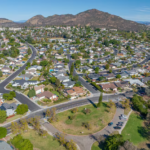
One of the biggest surprises for San Diego buyers—especially in newer communities like Eastlake, Otay Ranch, 4S Ranch, Del Sur, and parts of Carmel Valley—is Mello-Roos. These are special property tax assessments that fund infrastructure like schools, roads, and parks. They can easily add hundreds of dollars per month to your payment, on top of your regular property taxes.
Many buyers focus only on the list price and estimated base property tax rate, then discover after they are in escrow that Mello-Roos pushes their monthly payment well beyond their comfort zone. You should always ask for a full breakdown of property taxes, including all special assessments, before making an offer. A $900,000 home with $450 per month in Mello-Roos might actually cost you more each month than a $950,000 home without it.
Mistake #2 — Underestimating Closing Costs
Another common surprise is how much cash you need at closing beyond your down payment. In San Diego, typical buyer closing costs can range from about 2% to 3% of the purchase price, depending on your loan type, interest rate, and whether you are paying points. This includes lender fees, title and escrow, prepaid taxes and insurance, and various recording and inspection fees.
On a $900,000 home, that can easily mean $18,000–$27,000 in closing costs alone. Too many buyers only budget for the down payment and then scramble at the last minute, dipping into emergency savings or retirement accounts to make the deal work. Before you start touring homes, get a detailed closing cost estimate from your lender for the price range you are targeting so you know exactly how much cash you will need to close.
Mistake #3 — Overlooking HOA Dues and Special Assessments
In San Diego, many condos, townhomes, and even single-family homes are part of homeowners associations (HOAs). Monthly HOA dues can range from under $200 to well over $700 per month, especially in coastal areas or amenity-rich communities with pools, gyms, and security. Buyers often see the HOA number on the listing but do not fully factor it into their long-term budget.
Beyond the monthly dues, HOAs can also levy special assessments for major repairs like roof replacements, plumbing upgrades, or exterior painting. If the HOA’s reserves are underfunded, owners may be hit with unexpected one-time charges of several thousand dollars. Reviewing the HOA documents, reserve study, and meeting minutes during your due diligence period is critical so you are not surprised by a big assessment six months after you move in.
Let’s Get Your Home Search Started Today
Mistake #4 — Forgetting About Required Reserves and Emergency Funds
Many buyers stretch to the top of their approval amount and put every last dollar into their down payment and closing costs, leaving themselves with almost no reserves. In reality, owning a home in San Diego means you should plan to keep a healthy emergency fund for repairs, maintenance, and life events. Some loan programs and lenders even require you to show several months of reserves in the bank to qualify.
Think about it this way: if your water heater fails in your North Park bungalow or your HVAC system dies during a Santa Ana heat wave in inland areas like Scripps Ranch or Rancho Bernardo, you will want the ability to handle those costs without going into debt. A good rule of thumb is to have at least 3–6 months of total housing expenses (mortgage, taxes, insurance, HOA) set aside, especially in a higher-cost market like San Diego.
Mistake #5 — Not Budgeting for Parking, Garages, and Storage
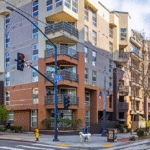
Parking is a bigger cost factor in San Diego than most buyers expect, particularly in urban and coastal neighborhoods like Downtown, Little Italy, Pacific Beach, and Ocean Beach. A condo that comes with two secure parking spaces can be worth significantly more than one that only has street parking or a single space. If you end up needing to rent an extra parking spot or off-site storage, that is an ongoing monthly cost you should plan for.
In some buildings, additional parking spaces can sell for tens of thousands of dollars or rent for $150–$300 per month. If you have multiple cars, a work truck, or recreational gear like surfboards, bikes, and paddleboards, you will want to factor in the real cost of parking and storage. It is not just a convenience issue—it can materially change your monthly housing budget.
Moving To San Diego? Get Your Essential San Diego Relocation Guide
Mistake #6 — Skipping a Realistic Maintenance and Repair Budget
San Diego’s climate is mild, but homes here still require regular maintenance. Coastal properties face salt air corrosion, inland homes deal with higher heat, and older neighborhoods like Normal Heights, South Park, and University Heights often have aging plumbing, electrical, and roofs. Buyers frequently underestimate how much it costs to keep a home in good shape.
A common guideline is to budget 1%–2% of the home’s value per year for maintenance and repairs. On an $850,000 home, that is $8,500–$17,000 annually. Some years you might only spend a few thousand on small items, but then you get hit with a big-ticket repair like a roof or sewer line. Planning for these costs upfront keeps you from feeling blindsided later.
Mistake #7 — Overlooking Property Insurance and Deductibles
Homeowners insurance in San Diego is not one-size-fits-all. Proximity to the coast, wildfire zones, and even the age and condition of the home can all impact your premium. Buyers often use a rough online estimate and then discover that their actual quote is hundreds of dollars more per year than they expected.
In addition, many policies now have higher deductibles for wind, fire, or other specific perils. If you are buying in areas near canyons or the backcountry—like Rancho Peñasquitos, Poway, or parts of La Mesa—you should be very clear on what your policy covers and what your out-of-pocket costs would be in a worst-case scenario. Getting real quotes from an insurance professional before you remove contingencies is smart planning.
Search All Homes & Condos For Sale in San Diego
Mistake #8 — Forgetting About Supplemental Property Tax Bills
California’s property tax system can be confusing for first-time buyers. After you close on your San Diego home, you may receive a supplemental property tax bill that reflects the difference between the previous owner’s assessed value and your new purchase price. Many buyers do not know this is coming and assume their impound account or lender will automatically cover it.
Depending on when you close and how big the jump in value is, that supplemental bill can be several thousand dollars. It is a one-time cost, but it can be painful if you are not prepared. Your agent and lender should walk you through how supplemental taxes work in San Diego County so you can set aside funds and avoid a nasty surprise in the mail.
Mistake #9 — Underestimating Utility Costs and Solar Agreements
San Diego Gas & Electric (SDG&E) rates are among the highest in the country, and buyers are often shocked by their first full utility bill—especially in larger homes or properties with pools, older windows, or inefficient HVAC systems. If the home has solar, you also need to understand whether the system is owned, leased, or subject to a power purchase agreement (PPA).
An owned solar system can significantly reduce your monthly electric bill, but a leased system or PPA comes with its own monthly payment and contract terms that transfer to you as the new owner. Reviewing recent utility bills and any solar contracts during your inspection period will help you build a realistic monthly budget.
Mistake #10 — Ignoring Commute and Transportation Costs
San Diego is spread out, and public transit is limited compared to larger metros. Many buyers fall in love with a home in North County or East County, only to realize later that their daily commute to Sorrento Valley, UTC, or Downtown is long and expensive. Gas, tolls, parking, and vehicle wear-and-tear add up quickly.
If you are moving from a more compact city or you have been working remotely, it is easy to underestimate how much time and money you will spend on transportation. Before you commit to a neighborhood, test-drive your commute during rush hour and factor those costs into your overall housing budget. Sometimes paying a bit more for a home closer to work or transit can actually save you money and time in the long run.
Start Your Home Buying Journey Here
Mistake #11 — Not Planning for Furniture, Appliances, and Immediate Upgrades
Many San Diego homes, especially older ones, do not come with refrigerators, washers, dryers, or window coverings. Buyers often assume these items are included, then find out during escrow that they need to purchase several big-ticket items right after closing. On top of that, you may want to paint, replace flooring, or make small cosmetic updates to make the home feel like yours.
It is easy to spend $10,000–$20,000 quickly on appliances, furniture, and basic improvements, particularly if you are moving from a smaller rental or out of the area. Building a realistic move-in budget—and negotiating for key items like the fridge or washer/dryer when you write your offer—can help you avoid putting everything on high-interest credit cards later.
Mistake #12 — Overlooking Pet, Permit, and City-Related Costs
San Diego is very pet-friendly, but owning a home with pets can come with extra costs. Fencing, pet deposits for rentals while you are in transition, and even city permits for certain improvements (like adding a fence, deck, or ADU) can add up. Buyers often assume they can immediately build out their dream yard or convert a garage without realizing the permitting and fee structure involved.
Each city within San Diego County—San Diego, Chula Vista, Carlsbad, La Mesa, etc.—has its own rules and fees. If you are planning any changes that require permits, it is smart to talk to the city or a local contractor ahead of time so you understand the timeline and cost. That way, you are not surprised when you find out your “simple” project requires plans, inspections, and several thousand dollars in fees.
Mistake #13 — Forgetting About Long-Term Lifestyle and Opportunity Costs
Finally, many buyers focus only on the immediate numbers and forget to think about how their new home will impact their overall lifestyle and long-term finances. Choosing a home with higher monthly costs—Mello-Roos, HOA dues, parking, utilities—might mean less money for travel, dining out, kids’ activities, or investing. In a lifestyle-driven city like San Diego, that tradeoff really matters.
When you are evaluating homes, look beyond the mortgage payment and ask yourself how the total cost of ownership fits with the way you actually want to live here. Sometimes a slightly smaller home, a different neighborhood, or a property without Mello-Roos or high HOA fees can give you more freedom and flexibility over time.
Final Thoughts
Buying a home in San Diego comes with more than just a down payment and a mortgage—costs like Mello-Roos, closing costs, HOA fees, reserves, parking, and utilities can all shift your true monthly number. The good news is that every one of these surprises is avoidable if you know what to look for, ask the right questions, and build a realistic budget before you fall in love with a property.
If you’re exploring your options or want honest, local guidance on buying or selling in San Diego, I’m here to help.
Contact Us Today!
With nearly two decades of experience helping buyers and sellers throughout San Diego, Wesley Guest understands that real estate decisions are rarely just about numbers — they’re about timing, lifestyle, and long-term peace of mind. From first-time condo buyers to seasoned sellers and relocations, his approach is focused on clarity, strategy, and protecting your interests. If you’d like help navigating your next move in San Diego, don’t hesitate to reach out and schedule a conversation below.