Top 25 Things to Know About Mission Hills San Diego
Curious about what it’s really like to live in Mission Hills? Whether you’re exploring condos, planning a move, or just want to understand the vibe, this guide covers 25 essentials — from lifestyle and walkability to housing, dining, culture, and practical day-to-day living.
1. A historic, hilltop neighborhood with a village feel
Mission Hills sits on a bluff just north of downtown San Diego, offering a quiet, residential feel while still being close to the urban core. The neighborhood is known for its tree-lined streets, historic homes, and a small but vibrant commercial district that feels like a true village center. You will notice a slower pace here compared to downtown or Hillcrest, with more long-time residents and fewer tourists. Buyers who want character, charm, and a sense of community without sacrificing access to the city tend to gravitate toward Mission Hills.
2. Central location with quick access to everywhere
One of Mission Hills’ biggest advantages is its central location. You are typically 5–10 minutes from downtown, the airport, Old Town, Hillcrest, and major freeways like I-5 and I-8. This makes commuting to most parts of San Diego relatively straightforward, whether you work in the city, along the coast, or in Mission Valley. Despite the proximity to major routes, many interior streets stay quiet and residential, so you get convenience without constant traffic noise.
Search All Homes And Condos For Sale In Mission Hills San Diego
3. Distinct micro-areas within Mission Hills
Mission Hills is not one uniform area; it has several micro-neighborhoods that feel slightly different. North Mission Hills, closer to Fort Stockton Drive and the main village, tends to have more historic homes and higher price points. South Mission Hills, near the canyon edges and closer to Old Town, can offer a mix of older homes, some smaller lots, and more varied price ranges. The western slopes toward the airport and the eastern edges near Hillcrest each have their own character, so it is worth walking the streets to see which pocket fits your lifestyle best.
4. Housing style: historic charm with modern upgrades
Mission Hills is one of San Diego’s best neighborhoods for historic architecture, including Craftsman, Spanish Revival, and early 20th-century bungalows. Many homes have been thoughtfully updated with modern kitchens, open floor plans, and upgraded systems while preserving original details like built-ins, woodwork, and period windows. You will also find a handful of mid-century and contemporary homes, especially on view lots and canyon rims. Buyers who value character over cookie-cutter tract housing usually find Mission Hills very appealing.
5. Limited condos but some great low-maintenance options
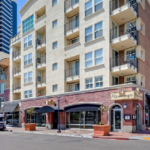
Unlike downtown, Mission Hills is primarily a single-family home neighborhood, but there are a few condo and townhome communities. These tend to be smaller buildings or clusters, often with lower density and a more residential feel than high-rise living. Condos here can be a good way to get into the neighborhood at a lower price point than a detached home, though inventory is usually tight. Expect smaller associations, modest amenities, and HOA fees that are generally lower than full-service downtown towers.
6. Pricing: premium but not the priciest in the city
Mission Hills is considered an upscale neighborhood, and pricing reflects that, especially for well-preserved historic homes and properties with views. You are often paying for location, charm, and lot quality more than sheer square footage. Compared to coastal areas like La Jolla or Coronado, Mission Hills can feel slightly more attainable, but it is still a competitive, higher-end market. Buyers should be prepared for multiple-offer situations on well-priced listings and should have financing or proof of funds ready before they start touring seriously.
Search All Homes And Condos For Sale In Mission Hills San Diego
7. Walkability to a true neighborhood village
One of the biggest lifestyle perks in Mission Hills is walkability to its small commercial core along West Lewis Street, Goldfinch Street, and Fort Stockton Drive. Here you will find coffee shops, local restaurants, wine bars, and small boutiques that serve as daily conveniences and social hubs. Many residents can walk out their front door to grab a coffee, meet friends for dinner, or pick up essentials without getting in the car. The walkability is more “village-style” than urban high-density, which appeals to buyers who want a neighborhood feel with just enough amenities nearby.
8. Dining: local favorites and understated quality
Mission Hills is not packed with restaurants like North Park or Little Italy, but the options it has are well-loved by locals. You will find a mix of casual spots, neighborhood bistros, and a few higher-end dining experiences, often with a focus on seasonal or locally sourced ingredients. Many places are small and intimate, which fits the neighborhood’s quieter, residential vibe. If you want more variety, Hillcrest, Old Town, and Little Italy are all a short drive or rideshare away, making it easy to expand your dining options.
9. Coffee shops, wine bars, and neighborhood hangouts
Daily life in Mission Hills often revolves around its coffee shops and wine bars, which double as informal community gathering spots. Residents regularly walk dogs, meet friends, or work remotely from these local businesses, giving the area a friendly, familiar feel. You will not see the same level of nightlife intensity as downtown or Pacific Beach, but there is enough activity to keep things interesting. This balance appeals to buyers who want social options without late-night noise outside their windows.
10. Parks, canyons, and outdoor spaces
Mission Hills is surrounded by canyons and green spaces that give the neighborhood a lush, almost secluded feel despite its central location. Many streets dead-end into canyon rims, offering walking paths, views, and a sense of nature right at your doorstep. Nearby Presidio Park and Pioneer Park provide open lawns, picnic areas, and places to relax or play with kids and dogs. For buyers who want easy access to the outdoors without living far from the city, this combination is a major draw.
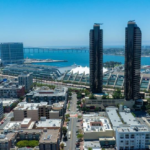
11. Views of downtown, the bay, and the airport
Because Mission Hills sits on a bluff, many homes enjoy impressive views of downtown San Diego, San Diego Bay, and the airport. Properties on the western and southern slopes are especially prized for their panoramic outlooks and sunset vistas. These view homes often command a premium and can be highly competitive when they hit the market. If views are a priority, it is worth working closely with an agent who can alert you quickly when the right property becomes available.
12. Proximity to the airport and flight path considerations
Mission Hills is very close to San Diego International Airport, which is a huge convenience for frequent travelers. However, parts of the neighborhood are under or near flight paths, so airplane noise can be a factor depending on the exact location and time of day. Some buyers barely notice it or get used to it quickly, while others are more sensitive and prefer streets farther from the direct path. When you tour homes, it is smart to spend a little extra time outside and listen at different times of day to see how you feel about the sound.
13. Schools and education options
Mission Hills is served by San Diego Unified School District, and many families move here specifically for the neighborhood’s reputation and access to certain public and nearby charter or private schools. Elementary options are a key consideration, and buyers with kids often research specific school boundaries before narrowing down streets. In addition, the central location makes it relatively easy to access private schools in other parts of the city. If schools are a priority, you will want to confirm current boundaries and programs, as they can change over time.
Start Your Mission Hills Home Search Today With A Local Agent!
14. A strong sense of community and long-term residents
Mission Hills has a high percentage of long-term homeowners, which contributes to a stable, community-oriented feel. Neighbors often know each other, and you will see regular dog walkers, joggers, and families out on the sidewalks. Community groups and local organizations help maintain the neighborhood’s character and advocate for thoughtful development. Buyers who value connection and a sense of belonging typically appreciate this aspect of Mission Hills living.
15. Historic preservation and design guidelines
Because of its historic housing stock, Mission Hills has active preservation efforts and, in some areas, design guidelines that influence renovations and new construction. This helps protect the neighborhood’s character and curb appeal, but it can also add steps to the remodeling process. If you plan to significantly alter a historic home, you may need to work with architects and contractors familiar with local regulations and review boards. On the plus side, these protections help maintain long-term value and visual consistency throughout the area.
16. Parking, garages, and driveway realities
Many Mission Hills homes were built before car ownership was as common as it is today, so parking can vary widely from property to property. Some homes have generous driveways and garages, while others rely more on street parking or have smaller, older garages. On narrower streets or near the commercial core, street parking can be competitive at certain times. When evaluating a home, pay close attention to parking arrangements and think about how they will work for your household’s daily routine.
17. Commute patterns and traffic flow
From Mission Hills, most commutes into downtown, Mission Valley, or along the I-5 corridor are relatively short in terms of distance. The main bottlenecks tend to be on-ramps and key intersections during peak hours, rather than within the neighborhood itself. Many residents find that leaving a little earlier or later than the strict rush-hour window makes a noticeable difference. If you have a fixed commute schedule, it is worth doing a test drive at your typical times before you buy.
Let’s Start Your Home Search Today
18. Noise levels: generally quiet with a few hot spots
Overall, Mission Hills is quieter than many central San Diego neighborhoods, especially on interior residential streets. However, homes close to the main commercial corridors, busier cross streets, or the airport flight path can experience more ambient noise. Canyon-edge properties may pick up sound differently depending on topography and wind. When you tour, take a moment to stand outside, listen, and imagine what the noise level might be like on a typical weekday evening or weekend.
19. Day-to-day conveniences and errands
Mission Hills offers enough everyday conveniences to handle most of your routine errands without leaving the neighborhood. You will find grocery options, pharmacies, dry cleaners, and small specialty shops within a short drive or walk, depending on where you live. For big-box stores or larger shopping centers, Mission Valley and Morena Boulevard are close by. This balance lets you keep a neighborhood-centric lifestyle while still having quick access to larger retail when needed.
20. Fitness, wellness, and active living
The walkable streets, nearby parks, and canyon trails make Mission Hills naturally conducive to an active lifestyle. Many residents walk or run through the neighborhood daily, and you will see plenty of dogs and strollers on the sidewalks. There are also local gyms, yoga studios, and wellness-focused businesses either within Mission Hills or just a few minutes away in Hillcrest and Mission Valley. If staying active is important to you, the combination of outdoor options and nearby fitness studios is a strong plus.
21. Rental and investment potential
Because of its central location and strong reputation, Mission Hills can be attractive for long-term rental investments. Single-family homes and well-located condos often see steady demand from professionals who want to be close to downtown, the airport, and major employment centers. Short-term rentals are more tightly regulated in San Diego, so you will want to understand current city rules if that is part of your strategy. For most buyers, the best fit is a primary residence or long-term hold rather than a high-turnover vacation rental.
22. Future development and neighborhood stability
Mission Hills is largely built out, so you are unlikely to see massive new developments or high-rise towers suddenly appear in the middle of the neighborhood. Most changes come in the form of individual home renovations, small infill projects, or updates to existing commercial spaces. This relative stability appeals to buyers who want to feel confident that the overall character of the area will remain consistent over time. Keeping an eye on city planning updates and local community group communications can help you stay informed about any proposed changes nearby.
Search All Homes And Condos For Sale In Mission Hills San Diego
23. Comparing Mission Hills to nearby neighborhoods
When buyers consider Mission Hills, they often also look at Hillcrest, North Park, and coastal neighborhoods like Point Loma. Compared to Hillcrest, Mission Hills is generally quieter and more residential, with fewer bars and more historic single-family homes. Versus North Park, it tends to be less edgy and more established, with a slightly older housing stock and a different feel. If you want a central location with charm and a calmer pace, Mission Hills often rises to the top of the list.
24. Seasonal feel and weather patterns
Mission Hills enjoys the same mild coastal climate that makes San Diego famous, with warm, dry summers and comfortable winters. Being slightly inland from the immediate coast, it can be a touch warmer on summer afternoons but still benefits from ocean breezes, especially on higher streets and canyon rims. Marine layer mornings are common in certain seasons, but they usually burn off by midday. Overall, the weather supports year-round outdoor living, which is reflected in how residents use their patios, decks, and yards.
25. What it really feels like to live in Mission Hills
Day to day, living in Mission Hills feels like being in a quiet, established neighborhood that just happens to be minutes from downtown and the bay. You will likely get to know your neighbors, recognize familiar faces at local shops, and settle into routines that revolve around walking, outdoor time, and low-key dining. The housing stock has personality, the streets have history, and the location keeps you connected to the rest of San Diego without constant hustle at your doorstep. For many buyers, that blend of charm, convenience, and calm is exactly what makes Mission Hills worth the premium.
Housing Snapshot
Expect a mix of historic Craftsman and Spanish Revival homes, mid-century properties, and a limited number of low-rise condos and townhomes in Mission Hills. Pricing varies by building, floor height, view orientation, amenities, and recent renovations. Inventory tightens seasonally; buyers should watch for well-priced listings and be ready to act quickly.
Final Thoughts
Mission Hills blends culture, convenience, and coastal urban living. Use this list as a practical overview of daily life, then explore current listings and recent comps to fine-tune which buildings and streets align with your budget and routine.
Schedule A Meeting With Our Team
Contact Us Today!
With nearly two decades of experience helping buyers and sellers throughout San Diego, Wesley Guest understands that real estate decisions are rarely just about numbers — they’re about timing, lifestyle, and long-term peace of mind. From first-time condo buyers to seasoned sellers and relocations, his approach is focused on clarity, strategy, and protecting your interests. If you’d like help navigating your next move in San Diego, don’t hesitate to reach out and schedule a conversation below.