What’s University Heights San Diego Really Like?
University Heights is one of San Diego’s most unique communities — known for its walkability, eclectic dining scene, historic craftsman homes, leafy streets, and relaxed, creative neighborhood vibe. Whether you’re thinking about buying a condo here, relocating, or exploring options, this guide covers everything you need to know.
Overview of University Heights
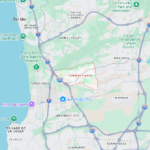
University Heights sits on a bluff just north of Mission Valley, bordered generally by Hillcrest to the west, Normal Heights and Kensington to the east, and North Park to the south. Centered around Park Boulevard and Adams Avenue, it has a distinctly laid-back, artsy feel with a mix of long-time residents, young professionals, and small families. The neighborhood feels intimate and residential but is packed with independent restaurants, coffee shops, and neighborhood bars within easy walking distance.
Housing & Real Estate Snapshot
Common property types:
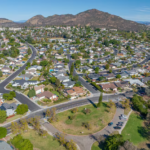
- The housing stock in University Heights is a mix of early-1900s craftsman and Spanish-style single-family homes, low-rise condo buildings, and smaller courtyard-style apartment and condo complexes. Many streets are lined with charming bungalows and duplexes that give the area its classic Uptown character.
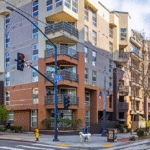
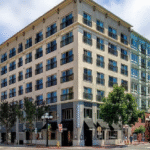
- There are a handful of small, amenity-light condo communities and mixed-use buildings closer to Park Boulevard and Adams Avenue, often with retail or restaurants at street level and residential units above. Tucked-away pockets on the canyon edges offer more private single-family homes, some with larger lots and views over Mission Valley.
- Buyers will notice a distinction between older garden-style developments from the 1960s–1980s and more recently renovated or newly built modern condos and townhomes. The older buildings tend to have simpler amenities and lower HOAs, while newer or fully updated properties command a premium for finishes and design.
Search Homes And Condos for Sale in University Heights
Typical prices:
- As of recent market conditions, 1-bedroom condos in University Heights often range from the mid $500,000s to the low $600,000s depending on size, parking, and level of renovation. Two-bedroom condos and townhomes typically run from the high $600,000s into the mid $800,000s, with larger or fully remodeled units pushing higher.
- Single-family homes are where pricing really stretches: smaller craftsman or Spanish bungalows often start in the low to mid $900,000s, while larger or canyon-view homes can run from the $1.1M–$1.6M+ range. Compared to coastal neighborhoods like Pacific Beach or La Jolla, University Heights is generally more affordable, but it’s often pricier than more inland areas or parts of Mission Valley due to its central location and walkability.
- Homes and condos with updated kitchens and baths, in-unit laundry, secure parking, and outdoor space (balconies, patios, or yards) tend to command a premium. Newer construction and fully renovated properties near Park Boulevard or Adams Avenue restaurants and cafes also trade at higher price points than older, unrenovated units on quieter interior streets.
HOA ranges:
- HOA dues in University Heights are generally in line with other central San Diego condo neighborhoods. Older, smaller communities with limited amenities often fall in the roughly $325–$475 per month range, covering basics like exterior maintenance, water, trash, and common area upkeep.
- Mid-rise or more modern buildings with elevators, secure parking, and modest amenities (courtyards, small gyms, or community rooms) typically see dues in the $450–$650 per month range. Boutique townhome communities with shared driveways or small common areas can fall somewhere in between.
- Dues vary based on what’s included: buildings with amenities such as pools, fitness centers, enhanced security, lush landscaping, and well-funded reserves will naturally run higher. Communities that include more utilities in the HOA (like water, sewer, or even basic cable) may look expensive at first glance but can offset some monthly costs.
New vs older buildings:
- University Heights has a wide range of building ages, from early-1900s craftsman and Spanish revival homes to mid-century apartment conversions and more recent infill condo and townhome projects. Many of the classic homes have been thoughtfully updated while maintaining their original character.
- Architecturally, you’ll see a lot of craftsman bungalows, Spanish-style stucco homes with red tile roofs, and mid-century low-rise buildings. Newer developments lean more modern, with clean lines, open floor plans, and larger windows, often designed to blend into the existing neighborhood scale rather than towering over it.
- Newer and recently renovated buildings tend to cluster along the main corridors like Park Boulevard and Adams Avenue, as well as on a few infill lots closer to Hillcrest and North Park. These locations maximize walkability to restaurants, cafes, and transit while offering more contemporary living spaces.
- Older communities often offer larger room sizes, more architectural charm, and mature landscaping, but may come with smaller closets, fewer amenities, or older systems. Newer construction typically provides better energy efficiency, modern layouts, central air, and secure parking, but at a higher purchase price and sometimes higher HOA dues.
Moving To San Diego? Get Your Essential San Diego Relocation Guide
Walkability, Lifestyle & Daily Living
Day-to-day life in University Heights is very walkable, especially if you’re near Park Boulevard or Adams Avenue. Residents can stroll to independent coffee shops, casual eateries, neighborhood bars, yoga studios, and small markets without getting in the car. The neighborhood has a relaxed, local feel—less touristy than the beach areas—yet you still have a strong dining and nightlife scene within a few blocks. Side streets are tree-lined and residential, so you can walk the dog or go for an evening jog without feeling like you’re in the middle of a commercial district.
For groceries and essentials, residents typically mix local options with nearby big-box stores. Small neighborhood markets, convenience stores, and specialty shops are within walking distance, while larger grocery options in Hillcrest, Mission Valley, and North Park are a short drive or bike ride away. Noise levels are moderate: the main corridors can be lively on weekends and evenings, but most interior streets are fairly quiet, especially away from bars and restaurants. Commuters appreciate quick access to SR-163, I-8, and I-805, making it relatively easy to get to downtown, Mission Valley, or the beaches. The overall lifestyle vibe is casual, inclusive, and community-oriented, with a strong connection to neighboring Hillcrest and North Park.
Get Your Essential San Diego Home Buyer’s Guide
Restaurants, Cafes & Local Favorites
University Heights punches above its weight when it comes to food and drink. Along Park Boulevard and Adams Avenue you’ll find a mix of long-standing neighborhood institutions and newer, chef-driven concepts. Think cozy brunch spots, inventive small-plate restaurants, and casual taco joints all within a few blocks of each other.
Local favorites include intimate bistros and wine bars, craft cocktail lounges, and laid-back pubs where regulars gather after work. Coffee culture is strong here as well, with independent cafes offering quality espresso, outdoor seating, and plenty of laptop-friendly nooks for remote workers. You’re also just a short walk or quick rideshare from the extensive dining scenes in Hillcrest and North Park, which dramatically expands your options for everything from sushi and ramen to vegan fare and late-night bites.
Parks, Nature & Outdoor Activities
One of the underrated perks of University Heights is its access to green space and canyon views. The neighborhood sits on a bluff overlooking Mission Valley, so many streets and homes on the northern edge enjoy expansive canyon and valley vistas. Pocket parks and small grassy areas provide spots for picnics, dog walks, and casual meetups with neighbors.
Nearby, Trolley Barn Park is a popular gathering place with open lawns, a playground, and community events, especially in the warmer months. Residents also take advantage of close proximity to Balboa Park and its extensive network of trails, museums, and gardens—just a short drive or bike ride away. For more active pursuits, canyon trails and nearby recreation areas offer opportunities for hiking, jogging, and dog walking, giving residents a nice balance between urban living and outdoor access.
Let’s Get Your Home Search Started Today!
Transportation & Parking
Parking situation: Parking in University Heights varies block by block. Many single-family homes and some smaller multifamily properties have driveways or garages, but older homes may have narrower garages or tandem parking. Condos and townhomes often include at least one assigned space in a carport or gated garage, with some newer developments offering two spaces per unit. Street parking is generally manageable on most residential streets, though it can tighten up near Park Boulevard and Adams Avenue during peak dining hours. Guest parking in condo communities can be limited, so visitors may need to rely on street parking.
Traffic patterns: Traffic within the neighborhood itself is usually moderate, but key access points can back up during rush hour. Park Boulevard, Adams Avenue, and Texas Street are the main connectors, and Texas Street in particular can feel congested and steep when heading down into Mission Valley. Commuters heading to downtown or the beaches will often use SR-163, I-8, or I-805, which can see typical San Diego rush-hour slowdowns in the mornings and late afternoons.
Transit options: University Heights is reasonably well-served by bus routes running along Park Boulevard and Adams Avenue, connecting residents to Hillcrest, North Park, Mission Valley, and downtown. While there isn’t a trolley station directly in the neighborhood, Mission Valley trolley stops are a short drive or bike ride away, offering additional transit options. The area is very bikeable, with relatively short distances to nearby Uptown neighborhoods and Balboa Park, and its walkability means many residents can handle daily errands without a car.
Schools & Education Options
University Heights is served by the San Diego Unified School District, with several public elementary, middle, and high schools in the broader Uptown and Mid-City areas. Families often look at nearby neighborhood elementary schools as well as magnet and language programs offered within the district. Middle and high school students typically attend schools in adjacent communities, with options varying based on exact address and district boundaries.
In addition to traditional public schools, there are a number of charter and private school options within a short drive, including faith-based schools, Montessori programs, and college-prep academies. Because school assignments and program availability can change over time, buyers are wise to verify current boundaries and options directly with the district and individual schools when planning a move.
Crime & Safety
University Heights has crime levels that vary by block and building. Nearby neighborhoods such as Little Italy and Cortez Hill have received D- safety grades from CrimeGrade.org, indicating they are safer than only about 10–14% of U.S. neighborhoods. Crime can shift significantly between streets, so buyers should review updated data on the San Diego Police Department crime dashboard to understand building-specific patterns.
Start Your University Heights Home Search Today With A Local Agent!
Things to Consider Before Moving Here
- Like many central San Diego neighborhoods, University Heights comes with trade-offs. The same walkable, lively corridors that make the area appealing can also bring weekend noise, bar traffic, and tighter parking near popular restaurants and cafes. Some older homes and buildings may have deferred maintenance, smaller closets, or less insulation from street noise, and condo communities will have HOA rules that govern pets, rentals, and exterior changes.
- Crime patterns can vary significantly from one block or building to the next, so it’s important to evaluate specific locations when touring—especially if you’re considering a property near a busier commercial strip or canyon edge. Prospective buyers should drive the neighborhood at different times of day, review parking and traffic patterns, and look closely at HOA documents and building histories to make sure the lifestyle and costs align with their expectations.
Final Thoughts
University Heights offers a mix of lifestyle convenience, urban amenities, and strong real estate options — along with the typical trade-offs found across San Diego’s most active neighborhoods. Use this guide to better understand the area as you begin comparing homes and communities.
Contact Us Today!
With nearly two decades of experience helping buyers and sellers throughout San Diego, Wesley Guest understands that real estate decisions are rarely just about numbers — they’re about timing, lifestyle, and long-term peace of mind. From first-time condo buyers to seasoned sellers and relocations, his approach is focused on clarity, strategy, and protecting your interests. If you’d like help navigating your next move in San Diego, don’t hesitate to reach out and schedule a conversation below.