The Reality Of Living In Hillcrest
Thinking about making Hillcrest your home base in downtown San Diego? Below is an honest, practical look at the neighborhood’s strengths and trade-offs. We alternate each Pro with a related Con so you can weigh what matters most for your lifestyle, budget, and daily routine.
Pro #1 — Exceptionally Walkable, Everyday-Useful Location
Hillcrest is one of San Diego’s most walkable neighborhoods, and that’s a major lifestyle upgrade if you’re used to driving everywhere. Most residents can walk to grocery stores like Ralphs or Trader Joe’s, coffee shops, gyms, and everyday services within a few blocks. If you live near University Avenue, Fifth Avenue, or Robinson, you can realistically run most of your daily errands on foot and leave the car parked for days at a time.
This walkability especially benefits buyers who work from home, medical professionals at nearby hospitals, and anyone who values a “park once and live” lifestyle. Sidewalks are wide, there are plenty of crosswalks, and the general street grid is easy to navigate. You’ll find a dense mix of restaurants, bars, boutiques, and services layered into the same core area, so you’re rarely more than a 5–10 minute walk from what you need.
For many people moving from more suburban parts of San Diego, Hillcrest feels like a true urban neighborhood without the overwhelming scale of downtown high-rises. You get that city energy and convenience, but you’re still close to Balboa Park, Mission Valley, and the beaches. If you want to live in a place where you can spontaneously meet friends for dinner, grab a drink, or walk to a yoga class without planning ahead, Hillcrest delivers.
Walkability also tends to support property values over time. Buyers consistently pay a premium to be in neighborhoods where they can walk to dining, nightlife, and services, and Hillcrest has been one of those “always in demand” pockets for years. That demand can help support resale value and shorten days on market when it’s time for you to sell.
Search All Homes & Condos For Sale In Hillcrest
Con #1 — Walkability Comes With Noise And Activity
The same walkable, vibrant streets that make Hillcrest appealing can also be a drawback if you’re sensitive to noise or prefer a quieter, more low-key environment. University Avenue, Fifth Avenue, and the surrounding blocks have a steady flow of cars, delivery trucks, scooters, and late-night foot traffic. On weekends, especially Friday and Saturday nights, the bar and restaurant scene can stay active well into the early morning hours.
If you live in a condo or apartment directly above or adjacent to the main commercial corridors, you’ll likely hear street noise, music from nearby venues, and people coming and going. Even with double-pane windows, you may notice ambient sound levels that are higher than what you’d experience in more residential neighborhoods like North Park or Mission Hills. For some residents, that’s part of the charm; for others, it can be a deal-breaker.
Noise and activity also fluctuate with events and seasonal patterns. Pride weekend, street fairs, and other community events bring in large crowds and can temporarily transform the neighborhood into a festival zone. If you’re not prepared for that, it can feel overwhelming. Buyers who prioritize quiet should focus on homes a few blocks off the main strips—on more residential streets or in buildings known for better sound insulation.
It’s important to tour at different times of day and on different days of the week. A condo that feels peaceful at 10 a.m. on a Tuesday can feel very different at 11 p.m. on a Saturday. When we tour together, we’ll talk through building orientation, window quality, and floor level so you know exactly what to expect in terms of noise and street activity.
Pro #2 — Lively Nightlife, Dining, And Social Scene
Hillcrest is one of San Diego’s most established dining and nightlife hubs, with a particularly strong LGBTQ+ community presence and a very inclusive, welcoming vibe. You’ll find everything from casual taco shops and brunch spots to craft cocktail bars, wine bars, and late-night eateries. If you enjoy having a wide range of options within a short walk, Hillcrest is hard to beat.
The neighborhood’s restaurant scene is diverse and constantly evolving. There are long-time local favorites alongside newer concepts, so you can rotate through sushi, Italian, vegan, Mediterranean, and classic American comfort food without leaving the area. Many residents find that they rarely need to drive elsewhere for a good meal or a night out, which can be a big quality-of-life upgrade.
For social, outgoing buyers, Hillcrest offers a built-in community. There are regular events, happy hours, and meetups, and the neighborhood’s bars and cafes often become informal gathering spots. If you’re moving to San Diego and want to plug into a social network quickly, living in Hillcrest can make that much easier. You’ll naturally meet neighbors, baristas, and local business owners just by living your daily life.
This energy also tends to support local businesses, which keeps the neighborhood feeling vibrant and well-served. When you invest in Hillcrest, you’re buying into a community that has a strong identity and a track record of staying active and relevant, rather than a transient or purely tourist-driven area.
Start Your Hillcrest Home Search Today With A Local Agent!
Con #2 — Nightlife Can Impact Sleep, Parking, And Routine
The flip side of a strong nightlife and dining scene is that it can complicate everyday routines, especially if you value early bedtimes or predictable parking. On busy nights, popular blocks can feel crowded, and you may notice increased noise from people leaving bars, rideshare pickups, and late-night deliveries. If your bedroom faces the street, this can affect sleep quality unless your building has excellent soundproofing.
Parking is another major consideration. Many older condo and apartment buildings in Hillcrest were built with fewer parking spaces than modern standards, and some smaller complexes or vintage buildings may have limited or no assigned parking. During peak dining and bar hours, street parking can be extremely competitive, particularly near University, Fifth, and Sixth. If you rely on street parking, you’ll want to factor that frustration level into your decision.
Even if you have a dedicated parking spot, getting in and out of the neighborhood can take longer on weekend evenings or during events. Traffic patterns shift, and rideshare vehicles often stop in travel lanes to pick up or drop off passengers. For some residents, this is a minor inconvenience; for others, it becomes a recurring annoyance that affects how often they choose to drive at night.
There are ways to mitigate these issues—choosing a building with secure garage parking, selecting a unit that faces an interior courtyard or quieter side street, or living a few blocks removed from the densest nightlife clusters. But it’s important to go in with eyes open: if you want nightlife at your doorstep, you’ll almost always trade a bit of peace and convenience to get it.
Pro #3 — Strong Mix Of Condos, Apartments, And Some Single-Family Homes
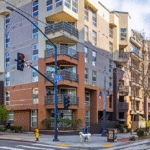
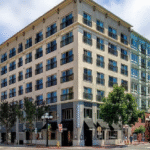
Hillcrest offers a diverse housing stock, which gives buyers multiple ways to plug into the neighborhood depending on budget and lifestyle. You’ll find mid-rise and low-rise condo buildings, older courtyard-style apartments, and a scattering of single-family homes and small multi-unit properties, especially as you move toward Mission Hills or Bankers Hill. This mix creates options for first-time buyers, downsizers, and investors alike.
Condos are the dominant ownership option, ranging from smaller, older buildings with lower HOAs and fewer amenities to more updated complexes with secure parking, fitness rooms, and rooftop decks. Many buyers appreciate that they can get into Hillcrest at a lower price point than some coastal neighborhoods while still enjoying an urban, amenity-rich lifestyle. For those who want less maintenance, condo living can be a major plus.
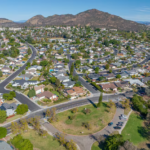
Single-family homes in and around Hillcrest tend to be more limited and often command a premium, especially those with character architecture, yards, or views toward Balboa Park or the city skyline. These properties appeal to buyers who want the walkability and energy of Hillcrest but prefer more privacy and space than a typical condo can offer. They’re also attractive from a long-term appreciation standpoint due to their relative scarcity.
Investors and house-hackers may find opportunities in small multi-unit properties or condos that allow rentals (subject to HOA rules and city regulations). The consistent demand from medical professionals, students, and young professionals working nearby helps support rental demand, which can be an important factor if you’re thinking about long-term flexibility or future rental income.
Get Your Essential San Diego Home Buyer’s Guide
Con #3 — HOA Dues, Older Buildings, And Limited Amenities In Some Complexes
While Hillcrest’s condo-heavy housing mix creates access, it also means you’ll need to pay close attention to HOA dues, building age, and amenity sets. Many buildings were constructed several decades ago, and while some have been beautifully updated, others may have more modest common areas or pending maintenance projects. HOA dues can vary widely depending on building size, amenities, and reserves.
In general, you can expect HOAs in Hillcrest to range from relatively modest dues in smaller, no-frills buildings to higher monthly fees in complexes with secure parking, elevators, pools, or rooftop decks. It’s not unusual to see dues that feel “high” relative to the amenity list, especially in older buildings where costs are driven by maintenance and insurance rather than flashy features. That can impact your monthly budget and your loan qualification.
Some buyers are surprised to learn that certain buildings have limited amenities—no gym, no pool, and sometimes no in-unit laundry—despite dues that still feel substantial. In those cases, you’re primarily paying for building upkeep, insurance, and shared systems. If you’re coming from a newer suburban community with resort-style amenities, it’s important to recalibrate expectations for what “normal” looks like in an older, urban neighborhood.
Due diligence is critical: reviewing HOA documents, budgets, and reserve studies can reveal upcoming projects or special assessments that might affect your costs. When we evaluate properties in Hillcrest, we’ll look beyond the list price and run the full monthly cost picture—HOA, property taxes, and any potential assessments—so you’re not surprised after you close.
Pro #4 — Proximity To Major Hospitals And Medical Employment Centers
One of Hillcrest’s biggest practical advantages is its proximity to major medical facilities. UC San Diego Medical Center, Scripps Mercy Hospital, and other healthcare offices are either in or very close to the neighborhood. For doctors, nurses, residents, and other medical professionals, living in Hillcrest can dramatically cut commute times and make on-call life more manageable.
Being able to walk, bike, or take a short drive to work is a major lifestyle benefit, especially if you’re working long or irregular hours. Instead of spending time in traffic, you can use that time to sleep, exercise, or simply enjoy the neighborhood’s amenities. For buyers who anticipate rotating shifts or overnight calls, the ability to get home quickly and safely is a real plus.
This proximity also supports housing demand and can help stabilize values. There’s a steady flow of medical professionals and support staff who want to live nearby, which helps keep rental and resale markets active. If you’re thinking about long-term resale or potential rental use down the road, being close to major employment centers is a meaningful advantage.
For remote workers or frequent travelers, Hillcrest’s central location still pays off. You’re a short drive to the airport, Mission Valley, downtown, and major freeways, which makes it easier to balance a travel-heavy lifestyle with a home base that feels connected and convenient.
Con #4 — Hospital Traffic, Sirens, And Event-Day Congestion
Living near major hospitals and busy corridors also brings some unavoidable urban realities. Ambulance sirens, emergency vehicle traffic, and shift-change congestion are part of the soundscape in and around Hillcrest. While most residents adapt, it can be jarring if you’re coming from a quieter, more suburban environment.
Streets near the hospitals and main thoroughfares can experience heavier traffic at certain times of day, particularly during rush hours and shift changes. If your building fronts a major route used by emergency vehicles, you’ll likely hear sirens at various times, including late at night. Higher floors and interior-facing units can help reduce the impact, but they won’t eliminate it entirely.
Event days add another layer. Pride, parades, and community events are a big part of Hillcrest’s identity, but they also bring road closures, detours, and temporary parking restrictions. If you need to get in or out of the neighborhood during these times, you’ll want to plan ahead. For some residents, the energy and celebration are worth the hassle; for others, it can feel disruptive.
When we evaluate specific properties, we’ll look closely at building orientation, window quality, and proximity to major routes. If you’re sensitive to sirens or traffic, we’ll focus on streets and buildings that are a bit more tucked away, while still giving you the benefits of Hillcrest’s central location.
Pro #5 — Access To Balboa Park, Green Space, And Views
One of Hillcrest’s most underrated perks is how close it is to Balboa Park. Depending on where you live, you may be able to walk or take a very short drive to reach the park’s trails, museums, and open spaces. For runners, dog owners, and anyone who values easy access to greenery, this proximity is a major lifestyle benefit.
Some homes and condos on the edges of Hillcrest, especially toward Bankers Hill or overlooking canyons, enjoy pleasant views—tree tops, city lights, or even partial park vistas. Higher floors in certain buildings can capture more expansive outlooks, which can significantly enhance your day-to-day living experience and long-term resale appeal. In an otherwise urban setting, having a bit of visual relief can make a big difference.
Balboa Park also serves as a cultural anchor, with museums, the zoo nearby, and regular events. Being able to pop over for a walk, a picnic, or a museum visit without committing to a full “day trip” is a unique advantage. It’s one of the reasons many buyers choose Hillcrest over other central neighborhoods that don’t have the same immediate access to such a large, iconic park.
From a value perspective, proximity to green space and views tends to support pricing. Units with better outlooks, balconies, or easy park access often command a premium, but they also tend to be easier to resell. If you’re choosing between two similar condos, the one with a better view corridor or easier park access is often the smarter long-term play.
Con #5 — Price Premiums And HOA Variability Near The Best Spots
Properties that are closest to Balboa Park, have better views, or sit on quieter, more desirable streets often come with a noticeable price premium. You may find that a condo just a few blocks closer to the park or with a slightly better outlook commands a significantly higher price per square foot. For buyers on a tight budget, that can be frustrating when you’re trying to balance location, size, and monthly costs.
HOA dues also vary widely, and buildings with better views or more desirable locations don’t always have the most predictable fee structures. Some older buildings with great outlooks may have higher dues due to ongoing maintenance needs, while newer or more modest buildings might offer lower dues but fewer amenities. It’s not always intuitive, which is why a building-by-building analysis is so important.
In practical terms, this means you might need to compromise: perhaps choosing a slightly smaller unit in a prime location, or a larger unit a bit farther from the park or main commercial core. Understanding where you’re willing to flex—square footage, view, amenities, or exact location—will help you make a smarter decision and avoid stretching beyond a comfortable monthly payment.
We’ll look at recent comps, HOA histories, and building reputations to identify where you’re truly getting value versus where you’re just paying a premium for a name or a view. In Hillcrest, micro-location and building quality matter as much as the neighborhood label itself.
Moving To San Diego? Get Your Essential San Diego Relocation Guide
Pro #6 — Central To Transit, Freeways, And Other Urban Neighborhoods
Hillcrest sits in a very central position within San Diego, which makes it an excellent home base if you like to explore different parts of the city. You’re a short drive to downtown, Little Italy, Bankers Hill, Mission Valley, and the beaches via major freeways. For many residents, this means shorter commute times and more flexibility to enjoy different neighborhoods without feeling “far” from anything.
While Hillcrest doesn’t have a trolley stop right in the heart of the neighborhood, several bus lines run through the area and connect to major transit hubs. If you’re comfortable using public transit, you can reach downtown, SDSU, and other key destinations without relying solely on a car. Rideshare availability is also strong, which makes going out in nearby neighborhoods simple and relatively inexpensive.
For frequent flyers, the proximity to San Diego International Airport is a major plus. You can typically get to the airport in 10–15 minutes depending on traffic, which makes early morning or late-night flights much more manageable. Many buyers who travel for work or split time between cities appreciate having an urban home base that doesn’t require a long airport commute.
Being central also means you can easily access other lifestyle hubs—Little Italy for dining, the Marina and waterfront for walks, or the Gaslamp Quarter for events and nightlife—without committing to living in those more tourist-heavy or high-rise-dense areas. Hillcrest gives you a more neighborhood-centric feel while still keeping you plugged into the broader urban core.
Con #6 — Parking, Transit Limitations, And Weekend Traffic
Despite its central location, Hillcrest does have some transportation challenges. Parking is one of the most consistent complaints from residents, particularly in older buildings and along the busier commercial corridors. If your building doesn’t include secure, assigned parking, you’ll likely spend time circling for street spaces, especially on evenings and weekends.
Public transit, while present, isn’t as seamless as living directly on a trolley line. Buses can be subject to traffic delays, and connections to other parts of the city may require transfers. If you’re hoping to live car-free, you’ll want to be realistic about how often you’ll rely on rideshare or how comfortable you are with bus schedules and walking longer distances.
Weekend traffic can also spike, particularly during popular dining hours or events. Streets can feel congested, and it may take longer to get in and out of the neighborhood. If you’re used to quick, predictable drives, this can be an adjustment. For some residents, the solution is to lean into the walkable lifestyle and plan errands or outings at off-peak times.
When we look at specific properties, we’ll factor in the quality of parking (or lack of it), your commuting patterns, and how comfortable you are with Hillcrest’s transportation realities. For many buyers, the benefits of the location outweigh these drawbacks, but it’s important to align the neighborhood’s rhythms with your daily life.
Let’s Get Started Today On Your Home Purchase
Pro #7 — Inclusive Community Vibe And Long-Term Neighborhood Stability
Hillcrest is known for its inclusive, welcoming community and strong LGBTQ+ identity, which gives the neighborhood a distinct character and sense of pride. There’s a genuine “come as you are” atmosphere that many residents find refreshing and grounding. If you’re looking for a place where diversity is celebrated and community events are part of the fabric of daily life, Hillcrest stands out.
The neighborhood has a long history as one of San Diego’s core urban communities, and that stability shows up in the local businesses, community organizations, and annual events. Pride, farmers markets, and neighborhood festivals create a sense of continuity and connection. This isn’t a transient, purely investment-driven area; many residents and business owners have deep roots here.
From a real estate perspective, that community strength and identity can support long-term stability. Neighborhoods with a clear sense of self, strong local advocacy, and active business districts tend to weather market cycles better than areas that are more speculative or purely trend-driven. When you buy in Hillcrest, you’re not just buying a unit—you’re buying into a neighborhood with a track record.
For many buyers, that combination of inclusivity, culture, and stability is the deciding factor. They want more than just a convenient location; they want to feel connected to where they live. Hillcrest offers that in a way few other San Diego neighborhoods can match.
Con #7 — Not The Best Fit If You Want Quiet Suburban Living
Despite its many strengths, Hillcrest is not the right fit for everyone. If your ideal home environment is very quiet, low-density, and suburban in feel, the neighborhood’s energy, density, and mixed-use character may feel like too much. There’s always something happening—traffic, people out and about, deliveries, and nightlife—and that’s baked into the experience of living here.
Families or buyers who prioritize larger yards, cul-de-sacs, and easy street parking may find better alignment in neighborhoods like Kensington, Talmadge, or parts of Clairemont and Serra Mesa. Similarly, if you’re highly sensitive to noise, prefer very low HOAs, or want newer construction with resort-style amenities, you may need to look at other parts of the city or newer master-planned communities.
Hillcrest is also less likely to appeal to buyers who want a purely coastal lifestyle with quick beach access and ocean views. While you can certainly drive to the beach, this is more of an urban, central San Diego experience than a beach-town one. It’s important to be honest about what you want your day-to-day life to look like before committing to the neighborhood.
If you love the idea of walkability, diversity, and urban convenience but feel unsure about some of the trade-offs, we can explore Hillcrest alongside a few nearby alternatives—like North Park, Bankers Hill, or Mission Hills—so you can experience the differences firsthand and choose the area that truly fits.
Final Thoughts
Hillcrest offers a mix of advantages and trade-offs that vary by building, street, and floor level. Use this alternating list to focus your priorities, then compare active listings and recent comps to see how pricing, HOA dues, and amenity sets align with your goals.
Contact Us Today!
With nearly two decades of experience helping buyers and sellers throughout San Diego, Wesley Guest understands that real estate decisions are rarely just about numbers — they’re about timing, lifestyle, and long-term peace of mind. From first-time condo buyers to seasoned sellers and relocations, his approach is focused on clarity, strategy, and protecting your interests. If you’d like help navigating your next move in San Diego, don’t hesitate to reach out and schedule a conversation below.